Showing posts with label Diet Tips. Show all posts

Sunday, September 3, 2023

Nourishing Your Body and Wallet: Healthy Eating on a Budget

Daily fitness tip,Fitness tips,Health tips,Diet Tips,Exercise tips,diet,

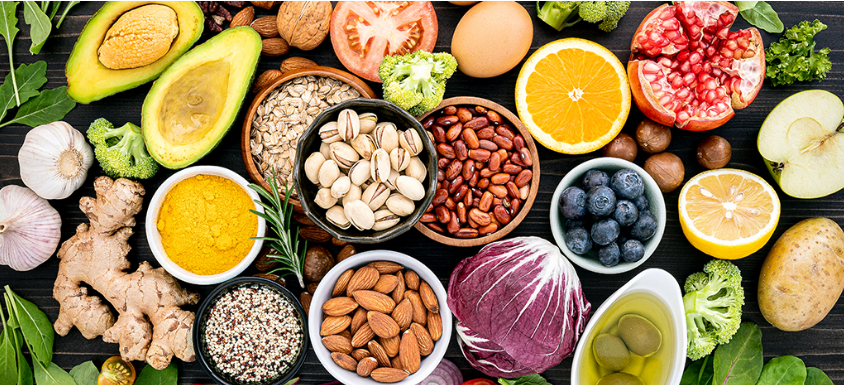
In a world where convenience often trumps health, eating nutritious meals on a tight budget may seem like an insurmountable challenge. However, it's not only possible but also essential for maintaining a balanced lifestyle. Healthy eating shouldn't be synonymous with emptying your wallet. With careful planning, smart choices, and a little creativity, you can nourish your body without breaking the bank. This article will explore strategies and tips for healthy eating on a budget, ensuring both your physical and financial well-being.


The Importance of Healthy Eating

Before diving into budget-friendly tips, it's crucial to understand why prioritizing healthy eating matters. A well-balanced diet is the cornerstone of good health. It provides the necessary nutrients, vitamins, and minerals your body needs to function optimally. Here are some key reasons why healthy eating should be a priority:


Long-term Health: A diet rich in fruits, vegetables, lean proteins, and whole grains can help prevent chronic diseases such as heart disease, diabetes, and certain types of cancer.


Energy and Productivity: Proper nutrition fuels your body, enhancing your energy levels, concentration, and productivity.


Mental Health: Diet plays a significant role in mental well-being. Nutrient-rich foods can positively impact mood and reduce the risk of mental health disorders.


Weight Management: Healthy eating can help you maintain a healthy weight, reducing the risk of obesity and its associated health problems.


Now that we've established the importance of healthy eating, let's explore how to achieve it on a budget.


1. Plan Your Meals

One of the most effective ways to eat healthily on a budget is by planning your meals in advance. When you have a clear idea of what you'll be eating for the week, you can make a shopping list that includes only the items you need, reducing the likelihood of impulse purchases.


Begin by creating a weekly or monthly meal plan that includes breakfast, lunch, dinner, and snacks. Consider incorporating leftovers into your plan to minimize food waste. Try to base your meals around affordable staples like rice, pasta, beans, and seasonal fruits and vegetables.


2. Buy in Bulk

Buying in bulk can significantly reduce your grocery expenses. Look for pantry staples like rice, pasta, beans, oats, and canned vegetables at bulk food stores or warehouse clubs. These stores often offer lower prices per unit, helping you save money in the long run. Be mindful of the expiration dates, and make sure you have sufficient storage space at home.


3. Embrace Seasonal Produce

Fresh fruits and vegetables can be expensive, especially when they're out of season. To save money, prioritize seasonal produce. Seasonal fruits and vegetables are not only more affordable but also fresher and more flavorful. Visit local farmers' markets, where you might find even better deals on locally grown, in-season produce.


4. Limit Processed and Convenience Foods

Processed and convenience foods may seem inexpensive at first glance, but they often lack the nutritional value of whole foods. Plus, the costs can add up over time. Try to minimize your consumption of items like pre-packaged snacks, sugary cereals, and frozen dinners. Instead, invest in whole ingredients that you can use to prepare meals from scratch.


5. Cook at Home

Eating out or ordering takeout can be a significant drain on your budget. Cooking at home not only saves money but also allows you to control the ingredients in your meals. If you're new to cooking, start with simple recipes and gradually expand your culinary skills. You'll find that cooking can be both enjoyable and cost-effective.


6. Reduce Meat Consumption

Meat can be one of the most expensive items on your grocery list. Consider reducing your meat consumption by incorporating plant-based protein sources such as beans, lentils, tofu, and chickpeas into your meals. When you do buy meat, look for budget-friendly cuts and use them in recipes with plenty of vegetables and grains to make them go further.


7. Use Coupons and Sales

Take advantage of coupons and sales to save on groceries. Many grocery stores offer digital coupons and loyalty programs that can lead to substantial discounts. Keep an eye on weekly flyers to identify sales on items you regularly use, and stock up when prices are low.


8. Meal Prep and Portion Control

Meal prepping can help you control portion sizes and reduce food waste. Prepare larger batches of meals and store them in portion-sized containers. This way, you can grab a homemade meal from the freezer or refrigerator, reducing the temptation to order takeout or dine out.


9. Grow Your Own Food

If you have the space and inclination, consider growing your own fruits, vegetables, and herbs. Even a small garden or a few potted plants can yield a satisfying harvest and save you money on fresh produce. Gardening can also be a rewarding and therapeutic hobby.


10. Don't Skip Breakfast

Skipping breakfast can lead to unhealthy snacking later in the day, ultimately costing you more money. A simple, budget-friendly breakfast like oatmeal or yogurt with fruit can help you start your day right without breaking the bank.


Conclusion

Eating healthy on a budget is not only possible but also essential for your overall well-being. By planning your meals, buying in bulk, choosing seasonal produce, cooking at home, and making other thoughtful choices, you can nourish your body without straining your finances. Remember that investing in your health through nutritious eating is an investment in your future. With dedication and creativity, you can enjoy delicious, wholesome meals while keeping your budget intact. So, start today and savor the benefits of healthy eating on a budget. Your body and your wallet will thank you.

Thursday, July 6, 2023

Mind-Body Connection: Exploring the Impact of Mental Health on Physical Fitness

mind-body connection, mental health, physical fitness, motivation, energy levels, sleep quality, emotional eating, weight management, stress and inflammation, physical symptoms, holistic health, well-being, mental well-being, exercise and mental health, stress management


Introduction:

The mind-body connection plays a vital role in our overall well-being, and understanding how mental health affects physical fitness is of utmost importance. This article aims to delve deeper into the intricate relationship between mental health and physical fitness, exploring the various ways in which mental well-being influences our motivation, energy levels, and engagement in physical activity.


1. Motivation and Engagement:

Mental health issues can significantly impact our motivation to engage in physical fitness activities. Conditions like depression can lead to a diminished interest or pleasure in previously enjoyed activities, including exercise. The lack of motivation can make it challenging to maintain a regular exercise routine, ultimately resulting in a decline in physical fitness levels.


2. Energy Levels:

Mental health problems can cause feelings of fatigue, lethargy, and a general lack of energy. Conditions such as chronic stress or anxiety can activate the body's stress response, leading to the release of stress hormones like cortisol. Prolonged activation of the stress response can deplete energy levels and make it harder to find the motivation and stamina for physical activity.


3. Sleep Quality:

Mental health issues can disrupt sleep patterns, leading to poor sleep quality or insomnia. Sleep plays a crucial role in the body's recovery and restoration processes, including muscle repair and growth. Inadequate sleep can result in decreased physical performance and hinder the body's ability to adapt to exercise.


4. Emotional Eating and Weight Management:

Many individuals with mental health issues turn to food for comfort or as a coping mechanism. Emotional eating, especially when it involves indulging in unhealthy, calorie-dense foods, can contribute to weight gain and make it more challenging to maintain physical fitness. Weight gain can further impact self-esteem and motivation to engage in physical activities.


5. Stress and Inflammation:

High levels of stress can trigger inflammation in the body, which has negative effects on overall health. Inflammation is associated with various chronic diseases and can impair physical performance. Engaging in stress-reducing activities like exercise, meditation, or yoga can help mitigate the impact of stress on both mental and physical health.


6. Physical Symptoms:

Mental health issues can manifest as physical symptoms, such as headaches, muscle tension, or gastrointestinal problems. These physical symptoms can interfere with exercise performance and limit one's ability to participate in physical fitness activities.


The Bidirectional Relationship:

It is important to recognize that the relationship between mental health and physical fitness is bidirectional. Engaging in regular physical activity has been shown to have positive effects on mental health, reducing symptoms of anxiety and depression, improving mood, and promoting overall well-being. Exercise can also help regulate stress hormones, improve sleep quality, and boost self-esteem.


Conclusion:

The mind-body connection between mental health and physical fitness is complex and multifaceted. Acknowledging the influence of mental well-being on physical fitness is crucial in developing a holistic approach to overall health. By seeking support from mental health professionals, implementing effective stress management strategies, and integrating regular physical activity into our lives, we can foster a healthier mind and body. Striving for a balanced and harmonious mind-body connection is key to achieving optimal well-being.


Mind-body connection,Mental health,Physical fitness,Motivation,Energy levels,Sleep quality,Emotional eating,Weight management,Stress and inflammation,Physical symptoms,Holistic health,Well-being,Mental well-being,Exercise and mental health,Stress management,

Tuesday, July 4, 2023

Mindful Eating, Enjoy Food, Nourish Your Body, Healthy Eating, Conscious Eating, Mindful Living, Savor The Flavors, Wellness Tips, Healthy Lifestyle, Self Care, Mindfulness, Nutrition

Description :

The article on "Mindful Eating: Enjoying Food and Nourishing Your Body" provides insights into the practice of mindful eating, which emphasizes being fully present and aware during the eating experience. It highlights the benefits of mindful eating, such as enhanced enjoyment of food, a healthier relationship with food, and improved physical and mental well-being. The article explores key principles of mindful eating, including paying attention to hunger and fullness cues, engaging the senses, being aware of emotional triggers, practicing nonjudgmental awareness, and cultivating gratitude. It encourages readers to incorporate mindful eating into their daily lives for a more conscious and satisfying eating experience.

Mindful eating is an approach to eating that emphasizes being fully present and aware during the eating experience. It involves paying attention to the sensory aspects of food, such as its taste, smell, texture, and appearance, as well as the thoughts and emotions that arise while eating. Mindful eating also involves cultivating a nonjudgmental attitude towards food and one's eating habits.


The practice of mindful eating can have several benefits. By slowing down and savoring each bite, individuals can enhance their enjoyment of food and fully experience the flavors and textures. It allows for a deeper appreciation of the nourishment and pleasure that food provides.


In addition to the enjoyment factor, mindful eating can also contribute to better physical and mental well-being. By paying attention to hunger and fullness cues, individuals can develop a healthier relationship with food and make choices that are more aligned with their body's needs. This can help prevent overeating or undereating, and support weight management goals.


Here are some key principles of mindful eating:


1. Pay attention to hunger and fullness cues: Before eating, check in with yourself to gauge your hunger level. Eat when you're moderately hungry, and stop when you're comfortably full. Avoid distractions like screens or eating on the go, as they can interfere with your ability to recognize these cues.


2. Engage your senses: Take the time to observe the colors, shapes, and smells of your food. Chew slowly and savor each bite, noticing the flavors, textures, and how the food feels in your mouth. This can enhance your enjoyment and satisfaction with the meal.


3. Be aware of emotional triggers: Many people turn to food in response to stress, boredom, or other emotions. Mindful eating encourages you to recognize emotional triggers and find alternative ways to cope with them, rather than relying solely on food.


4. Nonjudgmental awareness: Practice observing your thoughts and feelings without judgment during meals. Be kind and compassionate toward yourself, and avoid self-criticism or guilt associated with food choices. Remember that every eating experience is an opportunity to learn and make conscious decisions.


5. Cultivate gratitude: Take a moment to express gratitude for the food on your plate and the effort that went into its production. Appreciating the nourishment and abundance can foster a positive mindset toward eating.


Incorporating mindful eating into your daily life takes practice and patience. It's not about perfection but rather developing a more conscious and intuitive relationship with food. Gradually integrating mindful eating principles into your meals can lead to a healthier and more enjoyable eating experience.


#MindfulEating #EnjoyFood #NourishYourBody #HealthyEating #ConsciousEating #MindfulLiving #SavorTheFlavors #WellnessTips #HealthyLifestyle #SelfCare #Mindfulness #Nutrition

Monday, July 3, 2023

The Impact of Exercise on Aging and Longevity

Aging and longevity, Exercise and health, Physical activity and aging, Cardiovascular health, Muscle strength and bone density, Weight management, Chronic disease prevention, Cognitive function and exercise, Mental health benefits of exercise, Longevity and exercise


Exercise has a significant impact on aging and longevity. Numerous studies have demonstrated that regular physical activity and exercise can have profound effects on overall health and well-being, particularly as individuals age. Here are some key ways in which exercise influences aging and longevity:


1. Improved cardiovascular health: Regular exercise strengthens the heart and improves circulation, reducing the risk of cardiovascular diseases such as heart attacks, stroke, and high blood pressure. It helps maintain healthy blood vessels and lowers levels of LDL (bad) cholesterol while increasing HDL (good) cholesterol.


2. Enhanced muscle strength and bone density: As people age, they naturally lose muscle mass and bone density, leading to frailty and an increased risk of falls and fractures. Exercise, especially resistance training and weight-bearing activities, helps preserve and build muscle strength and bone density, reducing the risk of age-related conditions like osteoporosis.


3. Maintenance of healthy weight: Physical activity plays a crucial role in weight management. Regular exercise helps control body weight by burning calories and boosting metabolism. Maintaining a healthy weight reduces the risk of chronic conditions such as obesity, diabetes, and certain types of cancer, which can impact longevity.


4. Prevention of chronic diseases: Exercise has a preventive effect on a wide range of chronic conditions, including type 2 diabetes, certain cancers (e.g., colon and breast cancer), metabolic syndrome, and neurodegenerative disorders like Alzheimer's disease. By reducing the risk and severity of these diseases, exercise promotes healthy aging and extends longevity.


5. Improved cognitive function: Physical activity positively impacts brain health and cognitive function. Studies have shown that regular exercise can improve memory, attention, and overall cognitive performance. It may also reduce the risk of cognitive decline and neurodegenerative diseases, improving quality of life in older adults.


6. Enhanced mental health: Exercise has well-documented benefits for mental health and emotional well-being. It reduces symptoms of depression, anxiety, and stress, promoting better psychological resilience and overall mental health. Maintaining good mental health is essential for healthy aging and longevity.


7. Increased longevity: Several studies have found a direct link between regular exercise and increased lifespan. Engaging in moderate-intensity physical activity for at least 150 minutes per week has been associated with a reduced risk of premature death. Exercise's positive effects on overall health contribute to a longer, healthier life.


It's worth noting that individual factors, such as the type, duration, and intensity of exercise, as well as an individual's overall health and genetics, can influence the specific impact of exercise on aging and longevity. Consulting with healthcare professionals and personal trainers can help tailor exercise programs to meet specific needs and goals.


Aging and longevity,Exercise and health,Physical activity and aging,Cardiovascular health,Muscle strength and bone density,Weight management,Chronic disease prevention,Cognitive function and exercise,Mental health benefits of exercise,Longevity and exercise

Saturday, July 1, 2023

Optimizing Health with Testosterone Booster: Effective Exercises and Diet

Testosterone Booster, Health and Fitness, Exercise Tips, Dietary Advice, Hormone Balance, Optimal Health, Strength Training, Cardiovascular Exercise, HIIT Workouts, Resistance Training, Stress Reduction, Healthy Fats, Protein Rich Foods, Cruciferous Vegetables, Zinc, Vitamin D, Alcohol Moderation, Hydration Tips, Mets


Introduction:

Maintaining optimal health is a priority for many individuals, and one crucial factor that plays a significant role in overall well-being is testosterone levels. Testosterone is a hormone primarily associated with masculinity, but it is essential for both men and women. Adequate testosterone levels contribute to muscle growth, energy levels, bone density, and overall vitality. While testosterone levels naturally decline with age, certain exercises and dietary choices can help boost testosterone production and enhance overall health. In this article, we will explore effective exercises and a testosterone-boosting diet that can optimize your health and well-being.

Testosterone-Boosting Exercises

Regular physical activity is vital for maintaining healthy testosterone levels. Engaging in exercises that focus on building strength, improving cardiovascular health, and promoting overall fitness can have a positive impact on testosterone production. Here are some effective testosterone-boosting exercises:


Compound Exercises:

Compound exercises involve multiple muscle groups and stimulate the release of testosterone. These exercises include squats, deadlifts, bench presses, and pull-ups. They promote muscle growth and stimulate the body's natural testosterone production.


High-Intensity Interval Training (HIIT):

HIIT workouts involve short bursts of intense exercise followed by brief recovery periods. This type of training has been shown to increase testosterone levels significantly. Incorporating exercises like sprints, burpees, and kettlebell swings into your routine can be beneficial.


Resistance Training:

Resistance training, such as weightlifting, is a powerful stimulator of testosterone production. Focus on compound lifts, such as overhead presses, rows, and lunges, as well as targeted exercises for specific muscle groups. Aim for a challenging but manageable weight and gradually increase the intensity over time.


Cardiovascular Exercise:

Regular cardiovascular exercise is crucial for maintaining overall health and testosterone balance. Engaging in activities like running, cycling, swimming, or brisk walking helps improve blood circulation, reduce body fat, and enhance testosterone production.


Stress-Reducing Activities:

Chronic stress can negatively impact testosterone levels. Incorporating stress-reducing activities into your routine, such as yoga, meditation, or tai chi, can help lower cortisol (stress hormone) levels and promote a healthier hormonal balance.


Testosterone-Boosting Diet

Alongside exercises, maintaining a balanced diet rich in key nutrients can help optimize testosterone levels. Here are dietary recommendations to naturally boost testosterone:


Healthy Fats:

Including healthy fats in your diet is essential for testosterone production. Foods like avocados, nuts, seeds, olive oil, and fatty fish (such as salmon and mackerel) provide omega-3 fatty acids and monounsaturated fats that support hormone synthesis.


Protein-Rich Foods:

Protein is the building block of muscle tissue and plays a crucial role in testosterone production. Include lean sources of protein in your diet, such as chicken, turkey, fish, eggs, legumes, and tofu.


Cruciferous Vegetables:

Cruciferous vegetables, such as broccoli, cauliflower, cabbage, and Brussels sprouts, contain compounds that help regulate estrogen levels in the body. By reducing estrogen dominance, testosterone levels can rise naturally.


Zinc and Vitamin D:

Both zinc and vitamin D are essential for healthy testosterone production. Foods rich in zinc include oysters, lean beef, poultry, pumpkin seeds, and spinach. Vitamin D can be obtained from sunlight exposure or through foods like fatty fish, fortified dairy products, and egg yolks.


Avoid Excessive Alcohol Consumption:

Excessive alcohol intake can negatively impact testosterone levels. Limit alcohol consumption and opt for moderation to maintain optimal hormone balance.


Stay Hydrated:

Proper hydration is vital for overall health, including hormone production. Ensure you drink enough water throughout the day to support your body's functions.


Conclusion:

Optimizing health and maintaining adequate testosterone levels involves a holistic approach that combines effective exercises and a testosterone-boosting diet. Engaging in regular physical activity, including compound exercises, resistance training, and cardiovascular workouts, can stimulate testosterone production. Additionally, incorporating a diet rich in healthy fats, protein, cruciferous vegetables, zinc, and vitamin D can further support hormonal balance. It is important to consult with a healthcare professional before making any significant changes to your exercise routine or diet. By adopting a healthy lifestyle that includes appropriate exercises and a nutritious diet, you can enhance your overall well-being and optimize testosterone levels for improved health.

#TestosteroneBooster #HealthandFitness #ExerciseTips #DietaryAdvice #HormoneBalance #OptimalHealth #StrengthTraining #CardiovascularExercise #HIITWorkouts #ResistanceTraining #StressReduction #HealthyFats #ProteinRichFoods #CruciferousVegetables #Zinc #VitaminD #AlcoholModeration #HydrationTips

Achieving Optimal Health: Immune-Boosting Exercises and Diet for a Strong Body and Mind

Health and Wellness, Boost Your Immunity, Exercise for Immune System, Healthy Lifestyle, Nutrition for Immunity, Strong Body Strong Immunity, Immune Boosting Tips, Fitness and Health, Healthy Living, Immune System Support


Introduction :

In our quest for a healthy lifestyle, it is crucial to prioritize both physical fitness and immune system support. Regular exercise and a nutritious diet play integral roles in strengthening our bodies and enhancing our immune response. This article aims to guide you through effective exercises and dietary choices that can boost your immune system, leading to overall well-being and vitality.


Section 1: Exercise and Immune Function :

Exercise is not only beneficial for cardiovascular health and weight management but also plays a crucial role in enhancing immune function. Regular physical activity promotes circulation, allowing immune cells to move more efficiently throughout the body, thereby improving their surveillance and response to pathogens. Engaging in moderate-intensity exercises such as brisk walking, jogging, swimming, or cycling for at least 30 minutes a day can significantly benefit the immune system.


Section 2: Immune-Boosting Exercises:


Certain exercises specifically target immune system enhancement. These exercises stimulate the lymphatic system, which aids in the removal of toxins and supports immune cell circulation. Some immune-boosting exercises include:


1. Jumping Jacks: This simple exercise increases heart rate and promotes lymphatic flow, enhancing the body's immune response.


2. Yoga and Stretching: Practicing yoga or engaging in stretching exercises improves flexibility, reduces stress, and supports immune health.


3. High-Intensity Interval Training (HIIT): HIIT workouts, which involve short bursts of intense exercise followed by brief recovery periods, have been shown to enhance immune function and metabolic health.


4. Resistance Training: Incorporating resistance exercises using weights or resistance bands helps build muscle strength and supports immune health.


5. Outdoor Activities: Spending time in nature, engaging in activities like hiking or gardening, can reduce stress levels and enhance overall well-being.


Section 3: Immune-Boosting Diet :


A well-rounded and nutrient-dense diet is crucial for a strong immune system. 

The following dietary recommendations can help boost immunity:


1. Colorful Fruits and Vegetables: Include a variety of fruits and vegetables in your diet, as they are rich in vitamins, minerals, and antioxidants essential for immune function. Opt for colorful options like berries, citrus fruits, spinach, kale, and bell peppers.


2. Lean Proteins: Incorporate lean sources of protein such as poultry, fish, legumes, and tofu into your meals. Protein is vital for the production of immune cells and antibodies.


3. Healthy Fats: Include sources of healthy fats like avocados, nuts, seeds, and olive oil in your diet. These fats contain omega-3 fatty acids, which have anti-inflammatory properties and support immune function.


4. Whole Grains: Choose whole grain options like brown rice, quinoa, oats, and whole wheat bread. These provide essential nutrients and fiber, which support gut health and immune function.


5. Probiotics and Fermented Foods: Probiotics found in yogurt, kefir, sauerkraut, and kimchi promote a healthy gut microbiome, leading to improved immune function.


6. Hydration: Drink an adequate amount of water throughout the day to support immune system functioning and overall health.


7. Limit Sugar and Processed Foods: Excessive sugar intake can suppress immune function. Reduce consumption of sugary beverages, processed snacks, and desserts.


Conclusion :

Taking a proactive approach to health by incorporating immune-boosting exercises and a nutritious diet is essential for overall well-being. Regular physical activity, combined with a balanced diet rich in fruits, vegetables, lean proteins, and healthy fats, can fortify your immune system and enhance your body's ability to fight off infections. Remember, consistency is key, so make these practices a part of your daily routine to reap the long-term benefits of a strong body and a resilient immune system.


#HealthAndWellness#BoostYourImmunity#ExerciseForImmuneSystem#HealthyLifestyle#NutritionForImmunity#StrongBodyStrongImmunity#ImmuneBoostingTips#FitnessAndHealth#HealthyLiving#ImmuneSystemSupport

Friday, June 30, 2023

Boosting Your Immune System: A Comprehensive Guide to Optimal Health

Health and Wellness, Boost Your Immunity, Exercise for Immune System, Healthy Lifestyle, Nutrition for Immunity, Strong Body Strong Immunity, Immune Boosting Tips, Fitness and Health, Healthy Living, Immune System Support


Introduction :

In today's fast-paced and demanding world, maintaining good health and a robust immune system has become more important than ever. Our immune system serves as a vital defense mechanism, protecting us from various diseases and infections. In this article, we will explore effective strategies to boost our immunity and enhance our overall well-being. By adopting these practices, you can fortify your immune system and lead a healthier, more fulfilling life.


Section 1: Understanding the Immune System :

Before diving into immune-boosting techniques, it is crucial to understand the basics of the immune system. The immune system comprises a complex network of cells, tissues, and organs that work together to defend the body against harmful pathogens. Key components include white blood cells, antibodies, lymph nodes, and the thymus gland.


Section 2: The Role of Lifestyle Choices :

One of the most effective ways to bolster your immune system is through a healthy lifestyle. Regular exercise, a balanced diet, and adequate sleep play vital roles in maintaining optimal immune function. Engaging in physical activity not only helps with weight management but also improves circulation, reduces stress, and enhances immune response. Consuming a nutrient-rich diet filled with fruits, vegetables, lean proteins, and whole grains provides the body with essential vitamins, minerals, and antioxidants necessary for immune health. Additionally, prioritizing quality sleep helps regulate immune responses and ensures proper rejuvenation.

Section 3: Immune-Boosting Foods and Supplements :

Certain foods and supplements possess powerful immune-boosting properties. Incorporating these into your diet can help strengthen your immune system. Citrus fruits, berries, garlic, ginger, and green leafy vegetables are rich in vitamins, minerals, and antioxidants that promote immune function. Probiotics, found in yogurt, kefir, and fermented foods, support gut health, which is closely linked to immune response. Additionally, herbs and spices such as turmeric, echinacea, and elderberry have been traditionally used to enhance immunity.


While obtaining nutrients from whole foods is ideal, sometimes supplements can be beneficial. Vitamin C, vitamin D, zinc, and probiotic supplements are commonly recommended to support immune health. However, it is crucial to consult with a healthcare professional before starting any supplementation regimen.

Section 4: Managing Stress and Emotional Well-being:

Chronic stress weakens the immune system and makes us more susceptible to illness. Incorporating stress management techniques into your daily routine can have a significant impact on immune health. Practices such as meditation, deep breathing exercises, yoga, and spending time in nature promote relaxation and reduce stress levels. Engaging in hobbies, maintaining social connections, and seeking support from loved ones is also crucial for emotional well-being.


Section 5: Additional Immune-Boosting Strategies :

In addition to lifestyle choices, nutrition, and stress management, several other factors can contribute to a robust immune system. Regular handwashing, maintaining proper hygiene, and getting vaccinated are essential for preventing infections. Avoiding smoking and excessive alcohol consumption is also vital, as they can weaken immune function. Finally, incorporating moderate sunlight exposure into your routine helps the body produce vitamin D, which plays a crucial role in immune health.


Conclusion :

A strong immune system is the foundation of good health. By adopting a holistic approach that combines healthy lifestyle choices, immune-boosting foods, stress management techniques, and other preventive measures, you can enhance your immune function and overall well-being. Remember, strengthening your immune system is an ongoing process that requires consistency and dedication. Prioritize your health, and you will reap the rewards of a resilient immune system, allowing you to live life to the fullest.

#HealthAndWellness#BoostYourImmunity#ExerciseForImmuneSystem#HealthyLifestyle#NutritionForImmunity#StrongBodyStrongImmunity#ImmuneBoostingTips#FitnessAndHealth#HealthyLiving#ImmuneSystemSupport

Mindful Eating: Enjoying Food and Nourishing Your Body

Mindful Eating, Enjoy Food, Nourish Your Body, Healthy Eating, Conscious Eating, Mindful Living, Savor The Flavors, Wellness Tips, Healthy Lifestyle, Self Care, Mindfulness, Nutrition

Mindful eating is an approach to eating that emphasizes being fully present and aware during the eating experience. It involves paying attention to the sensory aspects of food, such as its taste, smell, texture, and appearance, as well as the thoughts and emotions that arise while eating. Mindful eating also involves cultivating a nonjudgmental attitude towards food and one's eating habits.


The practice of mindful eating can have several benefits. By slowing down and savoring each bite, individuals can enhance their enjoyment of food and fully experience the flavors and textures. It allows for a deeper appreciation of the nourishment and pleasure that food provides.


In addition to the enjoyment factor, mindful eating can also contribute to better physical and mental well-being. By paying attention to hunger and fullness cues, individuals can develop a healthier relationship with food and make choices that are more aligned with their body's needs. This can help prevent overeating or undereating, and support weight management goals.

Here are some key principles of mindful eating:

Pay attention to hunger and fullness cues: Before eating, check in with yourself to gauge your hunger level. Eat when you're moderately hungry, and stop when you're comfortably full. Avoid distractions like screens or eating on the go, as they can interfere with your ability to recognize these cues.


Engage your senses: Take the time to observe the colors, shapes, and smells of your food. Chew slowly and savor each bite, noticing the flavors, textures, and how the food feels in your mouth. This can enhance your enjoyment and satisfaction with the meal.


Be aware of emotional triggers: Many people turn to food in response to stress, boredom, or other emotions. Mindful eating encourages you to recognize emotional triggers and find alternative ways to cope with them, rather than relying solely on food.

Nonjudgmental awareness: Practice observing your thoughts and feelings without judgment during meals. Be kind and compassionate toward yourself, and avoid self-criticism or guilt associated with food choices. Remember that every eating experience is an opportunity to learn and make conscious decisions.

Cultivate gratitude: Take a moment to express gratitude for the food on your plate and the effort that went into its production. Appreciating the nourishment and abundance can foster a positive mindset towards eating.

Incorporating mindful eating into your daily life takes practice and patience. It's not about perfection but rather developing a more conscious and intuitive relationship with food. Gradually integrating mindful eating principles into your meals can lead to a healthier and more enjoyable eating experience.

Discription :

The article on "Mindful Eating: Enjoying Food and Nourishing Your Body" provides insights into the practice of mindful eating, which emphasizes being fully present and aware during the eating experience. It highlights the benefits of mindful eating, such as enhanced enjoyment of food, a healthier relationship with food, and improved physical and mental well-being. The article explores key principles of mindful eating, including paying attention to hunger and fullness cues, engaging the senses, being aware of emotional triggers, practicing nonjudgmental awareness, and cultivating gratitude. It encourages readers to incorporate mindful eating into their daily lives for a more conscious and satisfying eating experience.

#MindfulEating #EnjoyFood #NourishYourBody #HealthyEating #ConsciousEating #MindfulLiving #SavorTheFlavors #WellnessTips #HealthyLifestyle #SelfCare #Mindfulness #Nutrition

Wednesday, June 28, 2023

The Health Benefits of Green Tea: A Natural Elixir for Well-being

green tea, health benefits, wellness, natural remedies, weight loss, heart health, brain function, digestive health, immune system, skin health, diabetes management, cancer prevention, healthy living, holistic health, nutrition tips


In a world where health and wellness are becoming increasingly important, the search for natural remedies and preventive measures is at an all-time high. Among the various options available, green tea has emerged as a popular choice for its numerous health benefits. Packed with antioxidants and other bioactive compounds, green tea has been enjoyed for centuries in Asian cultures and is now gaining recognition worldwide for its potential to enhance overall well-being. In this article, we will delve into the unique properties of green tea and explore its effects on various aspects of health.

Green tea, scientifically known as Camellia sinensis, is made from unfermented tea leaves. This minimal processing helps retain its natural compounds, including catechins, flavonoids, and polyphenols, which contribute to its health-promoting properties. Here are some key areas where green tea has demonstrated positive effects:

Boosts Metabolic Rate and Aids Weight Management:
For those seeking a natural way to enhance weight loss, green tea can be a valuable addition to their routine. Studies have shown that the catechins and caffeine in green tea can help increase metabolism and fat oxidation, leading to a higher calorie burn. Additionally, green tea can reduce appetite and improve satiety, making it an excellent choice for individuals striving to manage their weight.

Supports Heart Health:
Maintaining a healthy cardiovascular system is crucial for overall well-being. Green tea has been linked to a reduced risk of heart disease and stroke due to its ability to lower LDL (bad) cholesterol levels and decrease blood pressure. The antioxidants in green tea also protect against oxidative stress and inflammation, which are known contributors to heart-related conditions.

Enhances Brain Function:
Cognitive decline and neurodegenerative diseases are significant concerns as we age. Green tea contains both caffeine and the amino acid L-theanine, which have synergistic effects on brain function. The combination promotes alertness, focus, and improved mood without the jittery side effects often associated with caffeine consumption. Moreover, green tea has been shown to protect brain cells and reduce the risk of developing Alzheimer's and Parkinson's diseases.

Supports Digestive Health:
Digestive disorders, such as irritable bowel syndrome (IBS) and inflammatory bowel disease (IBD), can significantly impact one's quality of life. The anti-inflammatory properties of green tea can help alleviate symptoms associated with these conditions. Additionally, the polyphenols in green tea promote the growth of beneficial gut bacteria, aiding in digestion and overall gut health.

Strengthens the Immune System:
A robust immune system is vital for fighting off infections and diseases. Green tea's high concentration of antioxidants, including epigallocatechin gallate (EGCG), helps to strengthen the immune system by combating free radicals and reducing oxidative stress. Regular consumption of green tea can potentially reduce the risk of common illnesses and support overall immune function.

Promotes Skin Health:
The antioxidants in green tea also play a significant role in maintaining healthy skin. Green tea can protect the skin from UV radiation damage, reduce inflammation, and help prevent signs of aging such as wrinkles and age spots. Furthermore, the antibacterial properties of green tea can help combat acne-causing bacteria and promote clearer skin.

Assists in Diabetes Management:
Green tea may offer benefits for individuals with diabetes or those at risk of developing the condition. Studies suggest that green tea can improve insulin sensitivity and regulate blood sugar levels. By helping to control glucose metabolism, green tea may aid in managing diabetes and reducing the risk of complications.

Reduces the Risk of Certain Cancers:
While more research is needed, preliminary studies suggest that the antioxidants in green tea may help protect against certain types of cancer. The polyphenols in green tea can inhibit the growth of cancer cells and prevent the spread of tumors. Cancers of the breast, prostate, colorectal, and lung are among the areas where green tea has shown potential in reducing the risk.

It is important to note that while green tea offers numerous health benefits, it is not a magical solution or a replacement for a healthy lifestyle. Incorporating green tea into a balanced diet and regular exercise routine can maximize its potential benefits. Additionally, it is essential to consult a healthcare professional, especially if you have any existing medical conditions or are on medication, as green tea may interact with certain drugs.

In conclusion, green tea is a natural elixir that offers a multitude of health benefits. From weight management and heart health to brain function and immune support, the bioactive compounds in green tea have a positive impact on various aspects of our well-being. By making green tea a part of our daily routine, we can harness its potential and work towards a healthier and more vibrant life.

The Fascinating Connection Between Health and Metabolism

MetabolismBoost, HealthyLiving, OptimalHealth, NutritionTips, FitnessJourney, WellnessWisdom, HealthAndWellbeing, WeightManagement, LifestyleChoices, MindBodyConnection, HealthyHabits, EatingForEnergy, FoodAsFuel, WellnessEducation, SelfCareMatters

In our quest for optimal health and well-being, we often come across the term "metabolism." But what exactly is metabolism, and how does it impact our overall health? Metabolism refers to the complex biochemical processes that occur within our bodies to convert food and drink into energy. It plays a vital role in maintaining essential bodily functions, including digestion, respiration, and circulation. Interestingly, our metabolism is closely intertwined with our health, and understanding this connection can empower us to make informed choices for a vibrant and balanced life.

Metabolism encompasses two primary processes: anabolism and catabolism. Anabolism involves the building up of molecules and tissues in the body, requiring energy for the synthesis of complex substances. On the other hand, catabolism involves the breakdown of molecules to release energy. These processes work in harmony to maintain a delicate balance within our bodies.

The rate at which our bodies carry out these metabolic processes is known as the metabolic rate. It determines the number of calories we burn while at rest, also referred to as the basal metabolic rate (BMR). Various factors influence our metabolic rate, including age, gender, body composition, physical activity, and hormonal balance. Although we cannot control some of these factors, there are ways to optimize our metabolism for improved health outcomes.

One of the most effective ways to boost metabolism is through regular physical activity. Engaging in both cardiovascular exercises and strength training not only burns calories during the workout but also increases our resting metabolic rate. This means that even when we are at rest, our bodies continue to burn more calories, promoting weight management and overall health.

Another crucial aspect of metabolism is the role of nutrition. The food we consume directly impacts our metabolic processes. Some foods, such as whole grains, lean proteins, and fruits and vegetables, require more energy to digest, thus increasing the thermic effect of food (TEF). TEF is the energy expenditure associated with the digestion, absorption, and processing of nutrients. By choosing foods with a higher TEF, we can effectively support our metabolism and promote weight loss or maintenance.

Furthermore, adequate hydration is essential for a healthy metabolism. Water plays a vital role in the biochemical reactions occurring within our bodies, including those related to metabolism. Staying hydrated ensures optimal cellular function and supports the efficient transportation of nutrients and waste products.

Sleep also influences our metabolism significantly. Insufficient sleep disrupts hormonal balance, specifically affecting leptin and ghrelin, which regulate hunger and satiety. Lack of sleep increases ghrelin levels, leading to increased appetite and a higher likelihood of overeating. Additionally, sleep deprivation can impair glucose metabolism and insulin sensitivity, potentially increasing the risk of developing metabolic disorders such as type 2 diabetes.

Stress, a prevalent aspect of modern life, can also impact our metabolism. During periods of stress, the body releases cortisol, often referred to as the stress hormone. Elevated cortisol levels can lead to increased appetite, particularly for high-calorie foods, and contribute to the accumulation of abdominal fat. Finding healthy ways to manage stress, such as practicing mindfulness, engaging in hobbies, or seeking support, can positively influence our metabolism and overall well-being.

In recent years, intermittent fasting has gained popularity as a strategy to optimize metabolism and promote health. Intermittent fasting involves alternating periods of eating and fasting, allowing the body to enter a state of ketosis, where it primarily burns stored fat for energy. This metabolic switch can lead to weight loss, improved insulin sensitivity, and reduced inflammation. However, it is important to approach fasting with caution and seek guidance from healthcare professionals, especially for individuals with underlying health conditions.

While lifestyle factors significantly influence our metabolism, genetic factors also play a role. Some individuals naturally have a

 faster or slower metabolism due to their genetic makeup. However, it is essential to remember that lifestyle modifications can still have a profound impact on overall health, regardless of our genetic predisposition.

The best food for boosting metabolism:

Protein-Rich Foods: Protein requires more energy to digest compared to carbohydrates or fats, resulting in a higher thermic effect. Include lean sources of protein such as chicken breast, turkey, fish, eggs, tofu, and legumes in your meals.

Whole Grains: Whole grains like oats, brown rice, quinoa, and whole wheat bread are rich in fiber and complex carbohydrates. They provide sustained energy and require more effort to digest, thereby increasing your metabolic rate.

Spicy Foods: Spices like chili peppers, cayenne pepper, and ginger contain capsaicin, which can temporarily boost your metabolism and increase calorie burning. Add a dash of spice to your meals to give your metabolism a slight kick.

Green Tea: Green tea is known for its metabolism-boosting properties due to the presence of catechins and caffeine. It can increase fat oxidation and enhance overall energy expenditure.

Coffee: The caffeine in coffee can temporarily elevate your metabolic rate and increase fat oxidation. However, moderation is key, as excessive caffeine consumption can lead to negative effects.

Water: Staying hydrated is crucial for maintaining a healthy metabolism. Drinking enough water helps your body function optimally and supports various metabolic processes.

Leafy Green Vegetables: Vegetables like spinach, kale, broccoli, and Swiss chard are low in calories and high in nutrients. They provide essential vitamins, minerals, and antioxidants that support overall health and metabolism.

Citrus Fruits: Citrus fruits like oranges, grapefruits, lemons, and limes are rich in vitamin C and fiber. They can aid digestion, promote hydration, and support metabolic processes.

Lean Meats: Lean meats like chicken, turkey, and lean cuts of beef are excellent sources of protein. They require more energy to digest and can support muscle growth, which helps increase metabolism.

Nuts and Seeds: Almonds, walnuts, flaxseeds, chia seeds, and other nuts and seeds are packed with healthy fats, fiber, and protein. They can help keep you satiated and boost your metabolic rate.

In conclusion, metabolism is a fascinating and intricate process that impacts our health in profound ways. By understanding the connection between metabolism and our overall well-being, we can make informed choices to support a healthy lifestyle. Regular physical activity, a balanced diet, adequate hydration, quality sleep, stress management, and other lifestyle factors all contribute to optimizing our metabolism. Embracing these habits can lead to weight management, improved energy levels, and reduced risk of metabolic disorders. Remember, a healthy metabolism is a key component of a vibrant and balanced life.

#MetabolismBoost,#HealthyLiving,#OptimalHealth,#NutritionTips,#FitnessJourney,#WellnessWisdom,#HealthAndWellbeing,#WeightManagement,#LifestyleChoices,#MindBodyConnection,#HealthyHabits,#EatingForEnergy,#FoodAsFuel,#WellnessEducation,#SelfCareMatters

Tuesday, June 27, 2023

The Remarkable Health Benefits of Coconut: Nature's Gift for Well-being

Coconut Health Benefits, Superfood, Immune System Boost, Heart Health, Digestive Health, Weight Loss, Skin Care, Hair Care, Brain Function, Antioxidant Protection, Wellbeing, Natural Health Remedies


Coconut, the versatile fruit of the palm tree, has been treasured by various cultures around the world for centuries. From its delicious taste to its numerous health benefits, coconut truly deserves its reputation as a superfood. Packed with essential nutrients and healthy fats, coconut offers a wide range of advantages for our well-being. In this article, we will explore the unique health benefits of coconut and discover how it can enhance our lives.

Boosts Immune System: One of the remarkable properties of coconut is its ability to strengthen the immune system. The medium-chain fatty acids found in coconut oil have potent antimicrobial and antiviral properties, helping to fight off harmful bacteria, viruses, and fungi. Additionally, coconut contains lauric acid, which can be converted into a compound called monolaurin, known for its antiviral and antibacterial effects. By incorporating coconut into your diet, you can fortify your immune system and reduce the risk of infections.

Supports Heart Health: Contrary to popular belief, coconut, when consumed in moderation, can actually promote heart health. The saturated fats present in coconut are primarily medium-chain triglycerides (MCTs), which are easily metabolized by the body and used as a source of energy. These MCTs can increase the levels of good cholesterol (HDL) in the blood while converting bad cholesterol (LDL) into a less harmful form. As a result, coconut can help reduce the risk of heart disease and improve overall cardiovascular health.

Enhances Digestion: Coconut is a rich source of dietary fiber, which plays a crucial role in maintaining a healthy digestive system. The fiber content in coconut aids in preventing constipation, promoting regular bowel movements, and alleviating digestive disorders such as irritable bowel syndrome (IBS). Moreover, coconut oil possesses antimicrobial properties that can combat harmful bacteria in the gut, contributing to a balanced and thriving gut microbiome.

Promotes Weight Loss: If you are aiming to shed those extra pounds, coconut can be a valuable ally. The MCTs present in coconut oil are known to boost metabolism and increase the feeling of fullness, leading to a reduction in calorie intake. Moreover, coconut oil helps stabilize blood sugar levels, preventing energy crashes and sugar cravings. By incorporating coconut oil into your diet, you can support your weight loss goals while enjoying its delicious flavor.

Nourishes Skin and Hair: Coconut is not just beneficial for internal health; it also works wonders for your external appearance. The natural moisturizing properties of coconut oil make it an excellent choice for nourishing and hydrating the skin. It can help alleviate dryness, eczema, and other skin conditions. Additionally, coconut oil can promote hair growth, prevent hair breakage, and restore shine to dull and damaged hair. By incorporating coconut oil into your beauty regimen, you can achieve a healthy and radiant complexion.

Supports Brain Function: The MCTs found in coconut oil are not only beneficial for the body but also for the brain. These healthy fats can be quickly converted into ketones, an alternative energy source for the brain. Ketones provide a readily available and efficient fuel for the brain cells, potentially improving cognitive function and reducing the risk of neurological disorders such as Alzheimer's disease. Regular consumption of coconut oil may help support brain health and enhance mental clarity.

Provides Antioxidant Protection: Coconut contains various antioxidants, including vitamin E and phenolic compounds, which help protect the body against oxidative stress and free radical damage. These antioxidants neutralize harmful molecules and reduce inflammation, which is associated with a wide range of chronic diseases, including cancer and heart disease. By incorporating coconut into your diet, you can enhance your body's natural defense system and promote long-term health.

In conclusion, coconut is truly a remarkable gift from nature, offering a plethora of health benefits. From boosting the immune system and supporting heart health to enhancing digestion and promoting weight loss, coconut proves to be a versatile and invaluable addition to a healthy lifestyle. Whether you enjoy it as coconut water, coconut oil, or shredded coconut, incorporating this superfood into your diet can contribute to overall well-being. Embrace the power of coconut and experience its transformative effects on your health and vitality.

"The Remarkable Health Benefits of Coconut: Nature's Gift for Well-being" explores the incredible advantages of coconut for our health. From boosting the immune system and supporting heart health to enhancing digestion and promoting weight loss, this article highlights the versatile nature of coconut as a superfood. Discover how coconut can nourish your skin and hair, support brain function, provide antioxidant protection, and much more. Embrace the power of coconut and unlock its transformative effects on your overall well-being.


Latest

Nourishing Your Body and Wallet: Healthy Eating on a Budget

In a world where convenience often trumps health, eating nutritious meals on a tight budget may seem like an insurmountable challenge....