Showing posts with label immunity booster diet. Show all posts

Saturday, July 1, 2023

Achieving Optimal Health: Immune-Boosting Exercises and Diet for a Strong Body and Mind

Health and Wellness, Boost Your Immunity, Exercise for Immune System, Healthy Lifestyle, Nutrition for Immunity, Strong Body Strong Immunity, Immune Boosting Tips, Fitness and Health, Healthy Living, Immune System Support


Introduction :

In our quest for a healthy lifestyle, it is crucial to prioritize both physical fitness and immune system support. Regular exercise and a nutritious diet play integral roles in strengthening our bodies and enhancing our immune response. This article aims to guide you through effective exercises and dietary choices that can boost your immune system, leading to overall well-being and vitality.


Section 1: Exercise and Immune Function :

Exercise is not only beneficial for cardiovascular health and weight management but also plays a crucial role in enhancing immune function. Regular physical activity promotes circulation, allowing immune cells to move more efficiently throughout the body, thereby improving their surveillance and response to pathogens. Engaging in moderate-intensity exercises such as brisk walking, jogging, swimming, or cycling for at least 30 minutes a day can significantly benefit the immune system.


Section 2: Immune-Boosting Exercises:


Certain exercises specifically target immune system enhancement. These exercises stimulate the lymphatic system, which aids in the removal of toxins and supports immune cell circulation. Some immune-boosting exercises include:


1. Jumping Jacks: This simple exercise increases heart rate and promotes lymphatic flow, enhancing the body's immune response.


2. Yoga and Stretching: Practicing yoga or engaging in stretching exercises improves flexibility, reduces stress, and supports immune health.


3. High-Intensity Interval Training (HIIT): HIIT workouts, which involve short bursts of intense exercise followed by brief recovery periods, have been shown to enhance immune function and metabolic health.


4. Resistance Training: Incorporating resistance exercises using weights or resistance bands helps build muscle strength and supports immune health.


5. Outdoor Activities: Spending time in nature, engaging in activities like hiking or gardening, can reduce stress levels and enhance overall well-being.


Section 3: Immune-Boosting Diet :


A well-rounded and nutrient-dense diet is crucial for a strong immune system. 

The following dietary recommendations can help boost immunity:


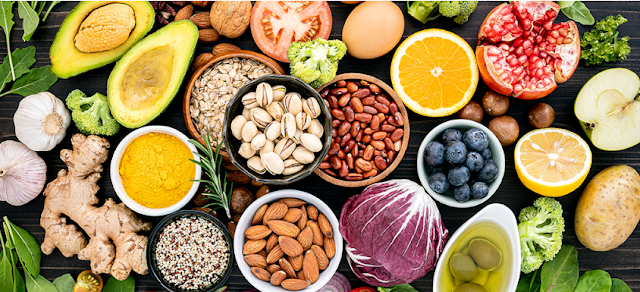
1. Colorful Fruits and Vegetables: Include a variety of fruits and vegetables in your diet, as they are rich in vitamins, minerals, and antioxidants essential for immune function. Opt for colorful options like berries, citrus fruits, spinach, kale, and bell peppers.


2. Lean Proteins: Incorporate lean sources of protein such as poultry, fish, legumes, and tofu into your meals. Protein is vital for the production of immune cells and antibodies.


3. Healthy Fats: Include sources of healthy fats like avocados, nuts, seeds, and olive oil in your diet. These fats contain omega-3 fatty acids, which have anti-inflammatory properties and support immune function.


4. Whole Grains: Choose whole grain options like brown rice, quinoa, oats, and whole wheat bread. These provide essential nutrients and fiber, which support gut health and immune function.


5. Probiotics and Fermented Foods: Probiotics found in yogurt, kefir, sauerkraut, and kimchi promote a healthy gut microbiome, leading to improved immune function.


6. Hydration: Drink an adequate amount of water throughout the day to support immune system functioning and overall health.


7. Limit Sugar and Processed Foods: Excessive sugar intake can suppress immune function. Reduce consumption of sugary beverages, processed snacks, and desserts.


Conclusion :

Taking a proactive approach to health by incorporating immune-boosting exercises and a nutritious diet is essential for overall well-being. Regular physical activity, combined with a balanced diet rich in fruits, vegetables, lean proteins, and healthy fats, can fortify your immune system and enhance your body's ability to fight off infections. Remember, consistency is key, so make these practices a part of your daily routine to reap the long-term benefits of a strong body and a resilient immune system.


#HealthAndWellness#BoostYourImmunity#ExerciseForImmuneSystem#HealthyLifestyle#NutritionForImmunity#StrongBodyStrongImmunity#ImmuneBoostingTips#FitnessAndHealth#HealthyLiving#ImmuneSystemSupport

Monday, June 19, 2023

Boosting Your Immunity: Unlocking the Power of a Stronger Defense

#boostimmunity #strongerdefense #immunesystemhealth #healthylifestyle #nutritionforimmunity #exerciseforwellbeing #bettersleephabits #stressmanagement #hydrationmatters #maintainhealthyweight #limitalcohol #avoidsmoking

Introduction :

In the face of an ever-changing world, maintaining a robust immune system is crucial. A strong immune system acts as our body's natural defense against illnesses, viruses, and diseases. While genetics play a role, there are several lifestyle choices and practices that can significantly boost our immunity. In this article, we will explore practical and effective ways to strengthen your immune system, allowing you to lead a healthier and more resilient life.

Nourish Your Body with a Healthy Diet :

Proper nutrition is fundamental to a strong immune system. Focus on consuming a balanced diet rich in fruits, vegetables, whole grains, lean proteins, and healthy fats. These foods provide essential vitamins, minerals, and antioxidants that bolster your immune response. Incorporate immunity-boosting foods like citrus fruits, berries, garlic, ginger, turmeric, spinach, and yogurt into your meals. Avoid excessive sugar, processed foods, and unhealthy fats, as they can weaken your immune system over time.

Prioritize Regular Exercise :

Physical activity not only helps maintain a healthy weight but also enhances your immune system. Engaging in regular exercise improves blood circulation, reduces stress, and stimulates the production of antibodies and white blood cells. Aim for at least 150 minutes of moderate-intensity aerobic exercise per week, along with strength training exercises two to three times a week. Find activities you enjoy, such as walking, jogging, cycling, or dancing, to make exercise a sustainable part of your routine.

Get Sufficient Sleep :

A good night's sleep is essential for optimal immune function. During sleep, your body repairs and regenerates cells, producing cytokines, proteins vital for immune response. Aim for seven to nine hours of quality sleep every night. Establish a consistent sleep schedule, create a relaxing bedtime routine, and ensure your sleep environment is comfortable and conducive to rest. Limit exposure to electronic devices before bed, as they can disrupt your sleep patterns.

Manage Stress Effectively :

Chronic stress weakens the immune system, making you more susceptible to illnesses. Incorporate stress management techniques like meditation, deep breathing exercises, yoga, or mindfulness into your daily routine. Engaging in hobbies, spending time with loved ones, and seeking social support can also alleviate stress. Prioritize self-care and find activities that help you relax and unwind.

Stay Hydrated :

Proper hydration is often overlooked but plays a crucial role in maintaining a strong immune system. Water helps flush toxins out of your body and supports the optimal functioning of your organs, including the immune system. Aim to drink at least eight glasses of water per day, and more if you engage in strenuous physical activity or live in a hot climate.

Maintain a Healthy Weight :

Obesity can compromise immune function, making individuals more susceptible to infections. Strive to maintain a healthy weight through a combination of a balanced diet and regular exercise. Consult a healthcare professional or registered dietitian for personalized guidance and support.

Limit Alcohol and Avoid Smoking:

Excessive alcohol consumption and smoking weaken the immune system. Alcohol impairs the body's ability to fight infections, while smoking damages the respiratory system and compromises lung function. Minimize alcohol intake, and if you smoke, seek assistance to quit. Your immune system will thank you.


Conclusion :

Boosting your immunity is within your reach. By adopting a healthy lifestyle that includes proper nutrition, regular exercise, quality sleep, stress management, hydration, weight management, and avoiding harmful habits, you can enhance your body's natural defenses. Empower yourself to lead a resilient and healthier life by implementing these strategies today. Remember, small changes can yield significant results when it comes to your immune system.

#boostimmunity #strongerdefense #immunesystemhealth #healthylifestyle #nutritionforimmunity #exerciseforwellbeing #bettersleephabits #stressmanagement #hydrationmatters #maintainhealthyweight #limitalcohol #avoidsmoking

Immunity: Unveiling the Intricacies of Your Body's Defense System

#boostimmunity #strongerdefense #immunesystemhealth #healthylifestyle #nutritionforimmunity #exerciseforwellbeing #bettersleephabits #stressmanagement #hydrationmatters #maintainhealthyweight #limitalcohol #avoidsmoking


Introduction:

Immunity is a fascinating and intricate aspect of our body's defense system. It acts as a shield, protecting us from harmful pathogens, infections, and diseases. Understanding how immunity works and what factors influence its effectiveness can empower us to take proactive measures in maintaining a healthy immune system. In this article, we will delve into the fascinating world of immunity, exploring its mechanisms, types, and ways to optimize its functioning.

The Basics of Immunity:

Immunity refers to the body's ability to defend itself against harmful microorganisms and foreign substances. It is a complex network involving organs, cells, and molecules working together to provide protection. The immune system can be categorized into two main types: innate immunity and adaptive immunity. Innate immunity is the body's immediate defense, while adaptive immunity is a specific response developed over time, often triggered by exposure to pathogens or vaccination.

The Role of White Blood Cells:

White blood cells, or leukocytes, are key players in the immune system. They are produced in the bone marrow and circulate throughout the body, seeking out and destroying pathogens. Different types of white blood cells, such as neutrophils, lymphocytes, monocytes, eosinophils, and basophils, have distinct functions in combating infections and maintaining overall immune health.

Understanding the Immune Response :

When the immune system detects a threat, it initiates a cascade of events known as the immune response. This process involves the recognition, activation, and targeting of pathogens. The immune response includes inflammation, which is a natural protective mechanism aimed at neutralizing harmful invaders and initiating the healing process.

Factors Influencing Immune Health :

Several factors can impact the strength and effectiveness of the immune system. Genetics, age, nutrition, lifestyle choices, sleep patterns, stress levels, and underlying medical conditions all play a role in immune health. A balanced diet rich in fruits, vegetables, whole grains, and lean proteins, along with regular exercise, adequate sleep, and stress management, can significantly bolster immune function.

Boosting Immunity Naturally :

While there is no magic pill to instantly enhance immunity, there are various natural strategies that can optimize its functioning. Consuming immune-boosting foods such as citrus fruits, berries, garlic, ginger, and turmeric, as well as staying hydrated and maintaining a healthy weight, can positively influence immune health. Additionally, avoiding smoking, excessive alcohol consumption, and chronic stress can help support a robust immune system.

Vaccinations: Strengthening Immunity:

Vaccinations are a vital tool in bolstering immune defenses. They introduce weakened or inactive forms of specific pathogens to stimulate an immune response without causing illness. This exposure triggers the production of antibodies and memory cells, providing long-lasting protection against future infections. Vaccinations have played a significant role in eradicating and controlling numerous diseases worldwide.

Immunity and Overall Well-being :

A healthy immune system is closely linked to overall well-being. It not only guards against infections but also supports faster recovery and reduces the risk of chronic diseases. Prioritizing a healthy lifestyle, including regular exercise, a nutritious diet, adequate sleep, stress management, and preventive healthcare, can contribute to maintaining a robust immune system and optimizing overall health.


Conclusion:

Immunity is a remarkable defense mechanism that keeps us protected from harmful invaders. By understanding its intricacies and implementing healthy lifestyle choices, we can strengthen our immune system and promote optimal well-being. Remember, nurturing your immunity is an ongoing journey that requires a holistic approach. Prioritize self-care and make informed choices to support your body's natural defense system.

#boostimmunity #strongerdefense #immunesystemhealth #healthylifestyle #nutritionforimmunity #exerciseforwellbeing #bettersleephabits #stressmanagement #hydrationmatters #maintainhealthyweight #limitalcohol #avoidsmoking

Saturday, June 17, 2023

The Power of Bananas: A Pathway to Optimal Health

#BananaHealthBenefits #NutritionalPowerhouse #HealthyEating #Superfood #DigestiveHealth #HeartHealth #BrainFunction #NaturalEnergyBoost #FitnessFuel #MoodEnhancement #VitaminsAndMinerals #PotassiumRich #FiberBenefits #ImmuneSupport #WellnessTips


Introduction :

In the realm of healthy eating, the humble banana often takes a backseat to more exotic fruits and vegetables. However, this unassuming fruit is a nutritional powerhouse, offering an array of health benefits that deserve recognition. Bursting with essential nutrients and unique compounds, bananas contribute to overall well-being and can play a vital role in maintaining a balanced diet. In this article, we delve into the remarkable health benefits of bananas, highlighting their impact on digestion, heart health, brain function, and more. Prepare to be amazed by the fantastic potential of this fruit!

 Nutritional Profile and Digestive Health:

Bananas are rich in vitamins, minerals, and fiber, making them an excellent addition to a healthy diet. They are a notable source of potassium, a mineral essential for maintaining proper heart and muscle function. Moreover, bananas contain significant amounts of vitamin C, vitamin B6, and dietary fiber, aiding in digestion and promoting regular bowel movements. The high fiber content helps alleviate constipation and contributes to a healthy gut microbiome, fostering the growth of beneficial bacteria.

 Heart Health and Blood Pressure Regulation :

Regular consumption of bananas can contribute to heart health. Their high potassium content helps regulate blood pressure levels, reducing the risk of hypertension and stroke. Potassium works in conjunction with sodium to maintain a balance of fluids in the body, which is crucial for a healthy cardiovascular system. Additionally, bananas contain sterols, a type of plant compound that helps block the absorption of dietary cholesterol. This attribute, along with the fruit's low sodium content, promotes healthy cholesterol levels, reducing the risk of heart disease.

Cognitive Function and Mood Enhancement :

Bananas not only benefit the body but also have a positive impact on the mind. The fruit contains tryptophan, an amino acid that the body converts into serotonin, a neurotransmitter associated with mood regulation and feelings of happiness. By boosting serotonin levels, bananas can help alleviate symptoms of depression and enhance overall well-being. Moreover, the high levels of antioxidants, including dopamine and catechins, found in bananas contribute to brain health, protecting against oxidative stress and reducing the risk of neurodegenerative disorders.

 Energy Boost and Exercise Performance:

Bananas are nature's own energy bars. They are an excellent source of natural sugars, including fructose, glucose, and sucrose, which provide a quick energy boost. This makes them a popular choice for athletes and fitness enthusiasts looking for a pre-workout or post-workout snack. The fruit's fiber content aids in maintaining stable blood sugar levels, ensuring a sustained release of energy over a more extended period. Furthermore, bananas contain essential minerals such as magnesium and potassium, which help prevent muscle cramps and promote efficient muscle function during physical activity.


Bananas are not only delicious but also packed with essential nutrients that contribute to overall health. 

Here is the nutritional value of a medium-sized banana

(approximately 7-8 inches long, weighing around 118 grams):

  • Calories: 105
  • Carbohydrates: 27 grams
  • Dietary Fiber: 3 grams
  • Sugars: 14 grams
  • Protein: 1 gram
  • Fat: 0.4 grams
  • Vitamin C: 14% of the Daily Value (DV)
  • Potassium: 9% of the DV
  • Vitamin B6: 20% of the DV
  • Magnesium: 8% of the DV
  • Copper: 5% of the DV
  • Manganese: 14% of the DV

Bananas are primarily composed of carbohydrates in the form of natural sugars (fructose, glucose, and sucrose), which provide a quick source of energy. They are low in fat and protein but contain a moderate amount of dietary fiber.

Bananas are a significant source of vitamin C, an antioxidant that supports the immune system, aids in collagen production, and promotes iron absorption. They also contain vitamin B6, which plays a crucial role in brain development and function, as well as in the production of neurotransmitters.

Potassium is one of the standout nutrients in bananas, with a medium-sized fruit providing approximately 9% of the daily recommended intake. Potassium is essential for maintaining proper heart and muscle function, regulating blood pressure, and balancing fluids in the body.

Bananas also contain other essential minerals such as magnesium, which is involved in numerous biochemical reactions in the body, including energy production and muscle function. Copper and manganese, although needed in smaller amounts, play roles in various enzymatic processes and antioxidant defense.

It's worth noting that the nutritional value of bananas can slightly vary depending on the ripeness and size of the fruit. Riper bananas tend to have a higher sugar content and a lower proportion of resistant starch, which is a type of fiber that acts as a prebiotic, feeding beneficial gut bacteria.

Incorporating bananas into your diet can provide a wide range of nutrients and contribute to overall health and well-being. Whether enjoyed on their own, blended into smoothies, or added to baked goods, bananas are a versatile and nutritious fruit that can be enjoyed by people of all ages.

Conclusion :

While bananas may appear ordinary, their health benefits are extraordinary. From aiding digestion and regulating blood pressure to enhancing cognitive function and boosting energy levels, bananas are an exceptional addition to a healthy lifestyle. Versatile and easily incorporated into various dishes and snacks, these golden fruits are accessible to everyone. So, the next time you reach for a snack, consider the mighty banana—your gateway to optimal health and well-being.

#BananaHealthBenefits #NutritionalPowerhouse #HealthyEating #Superfood #DigestiveHealth #HeartHealth #BrainFunction #NaturalEnergyBoost #FitnessFuel #MoodEnhancement #VitaminsAndMinerals #PotassiumRich #FiberBenefits #ImmuneSupport #WellnessTips

Latest

Nourishing Your Body and Wallet: Healthy Eating on a Budget

In a world where convenience often trumps health, eating nutritious meals on a tight budget may seem like an insurmountable challenge....