Showing posts with label diet. Show all posts

Sunday, September 3, 2023

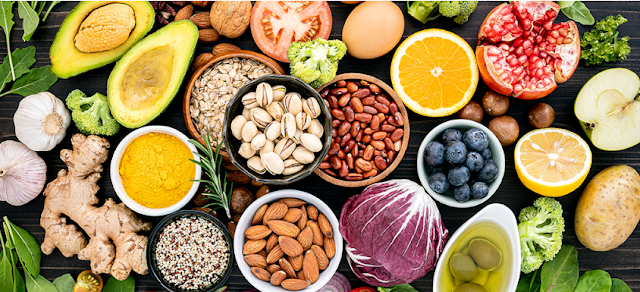
Nourishing Your Body and Wallet: Healthy Eating on a Budget

Daily fitness tip,Fitness tips,Health tips,Diet Tips,Exercise tips,diet,

In a world where convenience often trumps health, eating nutritious meals on a tight budget may seem like an insurmountable challenge. However, it's not only possible but also essential for maintaining a balanced lifestyle. Healthy eating shouldn't be synonymous with emptying your wallet. With careful planning, smart choices, and a little creativity, you can nourish your body without breaking the bank. This article will explore strategies and tips for healthy eating on a budget, ensuring both your physical and financial well-being.


The Importance of Healthy Eating

Before diving into budget-friendly tips, it's crucial to understand why prioritizing healthy eating matters. A well-balanced diet is the cornerstone of good health. It provides the necessary nutrients, vitamins, and minerals your body needs to function optimally. Here are some key reasons why healthy eating should be a priority:


Long-term Health: A diet rich in fruits, vegetables, lean proteins, and whole grains can help prevent chronic diseases such as heart disease, diabetes, and certain types of cancer.


Energy and Productivity: Proper nutrition fuels your body, enhancing your energy levels, concentration, and productivity.


Mental Health: Diet plays a significant role in mental well-being. Nutrient-rich foods can positively impact mood and reduce the risk of mental health disorders.


Weight Management: Healthy eating can help you maintain a healthy weight, reducing the risk of obesity and its associated health problems.


Now that we've established the importance of healthy eating, let's explore how to achieve it on a budget.


1. Plan Your Meals

One of the most effective ways to eat healthily on a budget is by planning your meals in advance. When you have a clear idea of what you'll be eating for the week, you can make a shopping list that includes only the items you need, reducing the likelihood of impulse purchases.


Begin by creating a weekly or monthly meal plan that includes breakfast, lunch, dinner, and snacks. Consider incorporating leftovers into your plan to minimize food waste. Try to base your meals around affordable staples like rice, pasta, beans, and seasonal fruits and vegetables.


2. Buy in Bulk

Buying in bulk can significantly reduce your grocery expenses. Look for pantry staples like rice, pasta, beans, oats, and canned vegetables at bulk food stores or warehouse clubs. These stores often offer lower prices per unit, helping you save money in the long run. Be mindful of the expiration dates, and make sure you have sufficient storage space at home.


3. Embrace Seasonal Produce

Fresh fruits and vegetables can be expensive, especially when they're out of season. To save money, prioritize seasonal produce. Seasonal fruits and vegetables are not only more affordable but also fresher and more flavorful. Visit local farmers' markets, where you might find even better deals on locally grown, in-season produce.


4. Limit Processed and Convenience Foods

Processed and convenience foods may seem inexpensive at first glance, but they often lack the nutritional value of whole foods. Plus, the costs can add up over time. Try to minimize your consumption of items like pre-packaged snacks, sugary cereals, and frozen dinners. Instead, invest in whole ingredients that you can use to prepare meals from scratch.


5. Cook at Home

Eating out or ordering takeout can be a significant drain on your budget. Cooking at home not only saves money but also allows you to control the ingredients in your meals. If you're new to cooking, start with simple recipes and gradually expand your culinary skills. You'll find that cooking can be both enjoyable and cost-effective.


6. Reduce Meat Consumption

Meat can be one of the most expensive items on your grocery list. Consider reducing your meat consumption by incorporating plant-based protein sources such as beans, lentils, tofu, and chickpeas into your meals. When you do buy meat, look for budget-friendly cuts and use them in recipes with plenty of vegetables and grains to make them go further.


7. Use Coupons and Sales

Take advantage of coupons and sales to save on groceries. Many grocery stores offer digital coupons and loyalty programs that can lead to substantial discounts. Keep an eye on weekly flyers to identify sales on items you regularly use, and stock up when prices are low.


8. Meal Prep and Portion Control

Meal prepping can help you control portion sizes and reduce food waste. Prepare larger batches of meals and store them in portion-sized containers. This way, you can grab a homemade meal from the freezer or refrigerator, reducing the temptation to order takeout or dine out.


9. Grow Your Own Food

If you have the space and inclination, consider growing your own fruits, vegetables, and herbs. Even a small garden or a few potted plants can yield a satisfying harvest and save you money on fresh produce. Gardening can also be a rewarding and therapeutic hobby.


10. Don't Skip Breakfast

Skipping breakfast can lead to unhealthy snacking later in the day, ultimately costing you more money. A simple, budget-friendly breakfast like oatmeal or yogurt with fruit can help you start your day right without breaking the bank.


Conclusion

Eating healthy on a budget is not only possible but also essential for your overall well-being. By planning your meals, buying in bulk, choosing seasonal produce, cooking at home, and making other thoughtful choices, you can nourish your body without straining your finances. Remember that investing in your health through nutritious eating is an investment in your future. With dedication and creativity, you can enjoy delicious, wholesome meals while keeping your budget intact. So, start today and savor the benefits of healthy eating on a budget. Your body and your wallet will thank you.

Sunday, June 25, 2023

The Remarkable Health Benefits of Fruits: Unlocking Nature's Nutrition Power

KetoDiet, HealthTransformation, WeightLoss, HeartHealth, CognitiveFunction, HealthBenefits, MetabolicState, FatBurning, BloodSugarControl, PersonalizedApproach


Fruits have long been recognized as essential components of a healthy diet. Packed with an array of vital nutrients, they offer numerous health benefits that contribute to overall well-being. From boosting immunity to preventing chronic diseases, the nutritional value of fruits is truly remarkable. In this article, we delve into the unique health benefits of fruits and explore the power they hold in optimizing our health.


Fruits are rich in vitamins, minerals, antioxidants, and dietary fiber. Each fruit possesses its own unique nutritional profile, making it important to incorporate a variety of fruits into our daily diet. Let's take a closer look at some popular fruits and their specific health benefits.

Apples:

Apples, often referred to as nature's perfect snack, are loaded with essential nutrients. They are an excellent source of dietary fiber, promoting digestive health and reducing the risk of constipation. Apples also contain antioxidants, such as quercetin, which help combat inflammation and protect against chronic diseases like heart disease and certain types of cancer.

Citrus fruits:

Citrus fruits, including oranges, grapefruits, and lemons, are packed with immune-boosting vitamin C. This powerful antioxidant aids in collagen production, wound healing, and strengthening the immune system. Regular consumption of citrus fruits can help prevent colds and flu, as well as reduce the risk of developing chronic conditions such as cardiovascular disease.

Banana:

Bananas are a popular choice for athletes and fitness enthusiasts due to their high potassium content. Potassium plays a crucial role in maintaining proper heart function and regulating blood pressure. Additionally, bananas contain dietary fiber and natural sugars, making them a great energy source and aiding in digestion.

Berries:

Berries, such as strawberries, blueberries, and raspberries, are rich in antioxidants and phytochemicals. These compounds have been linked to a reduced risk of cancer, improved brain function, and a lower risk of age-related cognitive decline. Berries are also low in calories and high in fiber, making them an excellent choice for weight management.

Grapes:

Grapes, both red and green, contain powerful antioxidants called polyphenols. Resveratrol, a specific polyphenol found in grapes, has been associated with a reduced risk of heart disease by promoting healthy blood flow and preventing blood clots. Grapes also provide hydration and are a delicious way to satisfy a sweet tooth.

Pineapple:

Pineapple is not only a tropical delight but also a great source of bromelain, an enzyme known for its anti-inflammatory properties. Bromelain helps reduce joint pain and inflammation, making it beneficial for individuals with arthritis. Pineapple is also rich in vitamin C and manganese, which support immune function and promote healthy bones.

Watermelon:

Watermelon, with its high water content, is not only a refreshing summer fruit but also a hydrating powerhouse. It contains lycopene, a potent antioxidant that has been linked to a lower risk of certain types of cancer, including prostate and breast cancer. Watermelon is also an excellent source of vitamins A and C, promoting healthy skin and a strong immune system.

Kiwi :

Kiwi is a small fruit with big health benefits. It is loaded with vitamin C, vitamin K, and dietary fiber. Kiwi's high vitamin C content helps boost immunity, while its fiber content aids digestion and promotes a healthy gut. Moreover, kiwi's unique combination of antioxidants and phytonutrients supports cardiovascular health and reduces the risk of chronic diseases.


Incorporating a variety of fruits into our diet is essential for reaping their full health benefits. Whether consumed fresh, frozen, or as a part of smoothies, fruits provide us with an abundance of essential nutrients that support our overall health and well-being. From vitamins and minerals to antioxidants and dietary fiber, the nutritional value of fruits is unparalleled.


It is important to remember that fruits should be consumed as part of a balanced diet, alongside other food groups. While fruits offer numerous health benefits, they should not replace other essential nutrients provided by proteins, whole grains, and healthy fats. Additionally, individuals with specific dietary restrictions or medical conditions should consult with a healthcare professional for personalized dietary advice.


In conclusion:  the nutritional value of fruits cannot be overstated. With their rich array of vitamins, minerals, antioxidants, and fiber, fruits offer a natural and delicious way to support our health. From boosting immunity to preventing chronic diseases, incorporating a variety of fruits into our daily diet unlocks the remarkable power of nature's nutrition and helps us lead a healthier life. So, let's make fruits a staple in our diet and savor their flavors while nourishing our bodies.

#FruitNutrition #HealthyDiet #HealthBenefits #NutritionalValue #ImmunityBoost #ChronicDiseasePrevention #VitaminsAndMinerals #Antioxidants #DietaryFiber #BalancedDiet #WellBeing #Nature'sNutrition #HealthyLifestyle


Friday, June 23, 2023

The Role of Supplements in Fitness and Wellness: Enhancing Health and Performance

supplements, fitness, wellness, nutrition, muscle building, performance enhancement, joint health, bone health, weight management, micronutrient deficiencies, balanced diet, protein supplements, energy, physical performance, recovery, nutrient gaps.


 Introduction:

In the pursuit of fitness and wellness, individuals often turn to various strategies to optimize their health, improve physical performance, and achieve their goals. While a balanced diet forms the foundation of good nutrition, supplements can play a valuable role in supporting overall well-being by providing essential nutrients, aiding in performance enhancement, and addressing specific nutritional deficiencies. This article delves deeper into the role of supplements in fitness and wellness, exploring their benefits, potential uses, and considerations.


Nutritional Support:

A well-rounded diet is crucial for obtaining essential nutrients. However, due to factors like busy lifestyles, dietary restrictions, or limited food availability, it may be challenging to meet all nutritional requirements solely through food intake. Supplements can act as a convenient and reliable means of filling potential nutrient gaps. They offer concentrated doses of vitamins, minerals, antioxidants, and other nutrients necessary for optimal bodily function.


Muscle Building and Recovery:

For individuals engaged in strength training or muscle-building exercises, protein supplementation is a common practice. Protein is vital for muscle repair, growth, and recovery. Whey protein, derived from milk, is a popular choice due to its high biological value and rapid absorption. Supplementing with protein powders can help meet increased protein requirements, especially for active individuals who may struggle to consume sufficient protein through food alone.


Energy and Performance Enhancement:

Supplements can play a role in enhancing physical performance and boosting energy levels during workouts or sports activities. Caffeine, a well-known stimulant, has been shown to increase alertness and improve endurance. Creatine, a naturally occurring compound, can enhance strength and power output, making it particularly beneficial for high-intensity, short-duration activities. Beta-alanine, another supplement, can delay the onset of muscle fatigue and improve exercise capacity.


Joint and Bone Health:

The health of joints and bones is vital for overall mobility and functionality. Supplements such as glucosamine and chondroitin sulfate are commonly used to support joint health, reduce inflammation, and alleviate symptoms of conditions like osteoarthritis. Omega-3 fatty acids, typically obtained from fish oil supplements, have anti-inflammatory properties and may contribute to joint health. Calcium and vitamin D supplements are essential for maintaining strong bones, preventing osteoporosis, and reducing the risk of fractures.


Weight Management:

Weight management is a common concern for many individuals. While a balanced diet and regular exercise are fundamental for achieving and maintaining a healthy weight, some supplements claim to aid in weight loss or weight management. These supplements often contain ingredients like green tea extract, garcinia cambogia, or conjugated linoleic acid (CLA), which are believed to increase metabolism, suppress appetite, or promote fat burning. However, the effectiveness and safety of many weight loss supplements remain a subject of debate. It's crucial to approach these claims with caution and consult with healthcare professionals before incorporating such supplements into one's routine.


Micronutrient Deficiencies:

Certain individuals may experience specific nutrient deficiencies due to various factors such as inadequate dietary intake, malabsorption issues, or medical conditions. Supplements can be instrumental in addressing these deficiencies and restoring optimal health. For example, individuals with iron deficiency anemia may benefit from iron supplements to replenish their iron stores. Vitamin D deficiency, commonly observed in regions with limited sun exposure, may require vitamin D supplementation to support bone health and overall well-being.


Conclusion:

Supplements can be valuable tools for supporting fitness and wellness goals. They provide essential nutrients, aid in muscle building and recovery, enhance energy and performance, support joint and bone health, and address specific nutrient deficiencies. However, it's important to note that supplements should not replace a balanced diet, and whole foods should remain the primary source of nutrients whenever possible. Consulting with healthcare professionals or registered dietitians is crucial to determine individual needs, ensure supplement safety, and optimize health outcomes. By integrating supplements appropriately into a comprehensive wellness plan, individuals can enhance their fitness journey and promote overall well-being.

#supplements #fitness #wellness #nutrition #musclebuilding #performanceenhancement #jointhealth #bonehealth #weightmanagement #micronutrientdeficiencies #balanceddiet #proteinsupplements #energy #physicalperformance #recovery #nutrientgaps


Healthy Recipes and Meal Ideas for Busy Individuals: Easy and Nutritious Options

fitness routine, daily fitness, exercise routine, healthy lifestyle, cardiovascular exercise, strength training, flexibility exercises, active living, rest and recovery, hydration, nutrition, consistency, well-being.

Introduction:

Maintaining a healthy diet can be challenging, especially for busy individuals who often find themselves short on time. However, with a little planning and preparation, it is possible to enjoy nutritious meals even when life gets hectic. This article provides an expanded collection of ten healthy recipes and meal ideas that are quick, easy to make, and packed with essential nutrients. These recipes cover a range of options including breakfast, lunch, dinner, and snacks, ensuring that you can stay on track with your healthy eating goals while managing a busy lifestyle.


Overnight Chia Pudding:

Chia seeds are a nutritional powerhouse, rich in fiber, healthy fats, and antioxidants. Overnight Chia Pudding is a perfect grab-and-go breakfast option that requires minimal effort. Simply mix chia seeds with your preferred milk, sweeten it with honey or maple syrup, refrigerate overnight, and top it with your favorite fruits and nuts in the morning for a satisfying and nutritious start to your day.


Mason Jar Salads:

Mason jar salads are convenient and customizable, making them an excellent choice for busy individuals. Prepare these salads by layering your favorite vegetables, such as cherry tomatoes, cucumbers, and bell peppers, with a protein source like grilled chicken or tofu. Add a delicious dressing of your choice and store the jars in the refrigerator. When it's time to eat, simply shake the jar to distribute the dressing, and enjoy a fresh and crisp salad.


Veggie Stir-Fry:

Stir-fries are quick, versatile, and a fantastic way to incorporate a variety of vegetables into your meals. Choose your favorite vegetables like broccoli, carrots, bell peppers, and snap peas, and combine them with a protein source such as tofu, shrimp, or chicken. Stir-fry them in a pan with a small amount of oil and add soy sauce or teriyaki sauce for flavor. Serve this vibrant and nutritious stir-fry over cooked brown rice or quinoa for a satisfying meal.


Sheet Pan Chicken and Vegetables:

Sheet pan meals are a time-saving option that allows you to cook an entire meal on a single baking sheet. Toss chicken breasts or thighs with an assortment of vegetables like sweet potatoes, Brussels sprouts, and zucchini. Drizzle them with olive oil, sprinkle garlic powder, salt, and pepper, and roast everything in the oven until the chicken is cooked through and the vegetables are tender. This easy and delicious one-pan meal is perfect for busy weeknights.


Quinoa Salad:

Quinoa is a protein-rich grain that serves as an excellent base for a nutritious salad. Combine cooked quinoa with mixed vegetables such as cherry tomatoes, cucumbers, and red onions. Add some crumbled feta cheese and dress the salad with lemon juice, olive oil, salt, and pepper. This refreshing and filling quinoa salad can be enjoyed as a light lunch or a side dish.


Egg Muffins:

Egg muffins are a great option for a protein-packed breakfast or snack. Whisk eggs in a bowl and add your choice of chopped vegetables, shredded cheese, salt, and pepper. Pour the mixture into greased muffin tins and bake them until they are set and lightly golden. These portable egg muffins can be prepared in advance and enjoyed throughout the week.


Slow Cooker Chili:

The slow cooker is a busy individual's best friend when it comes to preparing flavorful and hearty meals with minimal effort. Brown ground turkey or beef in a pan and transfer it to a slow cooker. Add kidney beans, diced tomatoes, onion, bell peppers, and seasonings like chili powder, cumin, garlic powder, salt, and pepper. Let it cook on low for 6-8 hours or on high for 3-4 hours. Coming home to a warm bowl of homemade chili is both comforting and satisfying.


Greek Yogurt Parfait:

Greek yogurt parfaits are a quick and nutritious option for a snack or a light breakfast. Layer Greek yogurt, granola, and mixed berries in a glass or a portable container. Drizzle some honey for sweetness. These parfaits are not only delicious but also provide a good balance of protein, fiber, and vitamins.


Whole Wheat Wraps:

Whole wheat wraps are a versatile choice for a quick and satisfying meal on the go. Fill whole wheat tortillas with sliced deli meat or grilled chicken, sliced vegetables like lettuce, tomatoes, cucumbers, and spread a layer of hummus or mustard for added flavor. Roll them up tightly, and you have a nutritious and portable meal ready to enjoy.


Baked Salmon with Roasted Vegetables:

Salmon is an excellent source of omega-3 fatty acids and is quick to cook. Place salmon fillets on a baking sheet along with an assortment of vegetables such as broccoli, cauliflower, and carrots. Drizzle everything with olive oil, lemon juice, and season with minced garlic, salt, and pepper. Bake until the salmon is flaky and the vegetables are tender. This simple yet flavorful meal is both nourishing and delicious.


Conclusion:

Maintaining a healthy diet doesn't have to be a daunting task, even for busy individuals. With these ten healthy recipes and meal ideas, you can easily incorporate nutritious and satisfying meals into your busy schedule. Whether it's a quick breakfast, a filling lunch, or a flavorful dinner, these recipes provide a variety of options to suit different tastes and dietary preferences. By dedicating a little time to planning and preparation, you can ensure that you have nourishing meals ready to go, supporting your overall well-being even on the busiest of days.

#FitnessRoutine #DailyFitness #ExerciseRoutine #HealthyLifestyle #CardiovascularExercise #StrengthTraining #FlexibilityExercises #ActiveLiving #RestAndRecovery #Hydration #Nutrition #Consistency #WellBeing

Sunday, June 18, 2023

Harnessing the Power of Orange for Optimal Health

#orangehealthbenefits #nutritionalpowerhouse #boostimmunity #hearthealth #digestivehealth #naturalremedies #vitaminC #antioxidants #healthylifestyle #wellness
 

Introduction:

In the realm of natural health remedies, few fruits are as revered as the orange. This vibrant citrus fruit, with its tangy flavor and refreshing juiciness, not only delights our taste buds but also offers a myriad of health benefits. Packed with essential vitamins, minerals, and antioxidants, oranges are a nutritional powerhouse that can boost our immune system, support heart health, improve digestion, and contribute to overall well-being. In this article, we will explore the unique
properties of oranges and discover how incorporating them into our diet can lead to a healthier and happier life.

Section 1: The Nutritional Profile of Oranges :

Oranges are a rich source of several essential nutrients that are vital for our well-being. A single medium-sized orange contains approximately 80 calories and provides a significant amount of dietary fiber, which aids digestion and helps maintain healthy cholesterol levels. Oranges are an excellent source of vitamin C, a potent antioxidant that strengthens our immune system, promotes collagen production for healthy skin, and aids in the absorption of iron. Additionally, oranges are packed with other vitamins such as vitamin A, vitamin B6, thiamine, and folate.

Section 2: Boosting Immunity and Preventing Illness :

Thanks to their impressive vitamin C content, oranges play a pivotal role in boosting our immune system. Regular consumption of oranges can strengthen our body's defense against common illnesses like colds and flu. Vitamin C supports the production of white blood cells, which are responsible for fighting off infections. It also possesses antioxidant properties that help protect our cells from damage caused by harmful free radicals. By incorporating oranges into our daily diet, we can fortify our immune system and reduce the risk of falling ill.

Section 3: Promoting Heart Health :

Oranges contain a powerful flavonoid called hesperidin, which has been shown to promote cardiovascular health. Hesperidin helps lower blood pressure and improves blood flow, reducing the risk of heart disease and stroke. Moreover, the high potassium content in oranges supports heart health by maintaining proper heart rhythm and reducing the risk of hypertension. Including oranges as part of a balanced diet can contribute to a healthier heart and reduce the likelihood of cardiovascular complications.

Section 4: Supporting Digestive Health:

Fiber is an essential component for maintaining a healthy digestive system, and oranges are an excellent source of dietary fiber. Adequate fiber intake promotes regular bowel movements, prevents constipation, and supports a healthy gut microbiome. Oranges also contain natural enzymes that aid in digestion and enhance nutrient absorption. Consuming oranges regularly can help alleviate digestive issues and promote a healthy gut, leading to improved overall well-being.

Section 5: Incorporating Oranges into Your Diet :

There are numerous ways to incorporate oranges into your daily diet. Enjoy them as a snack, add slices to salads for a burst of tangy flavor, or squeeze fresh orange juice for a refreshing beverage. Oranges can also be used in smoothies, desserts, and marinades, adding both taste and nutrition to your meals. However, it's important to note that moderation is key, as oranges contain natural sugars. Consulting with a healthcare professional or registered dietitian can provide personalized guidance on incorporating oranges into your diet based on your individual health needs.


Conclusion :

The orange, with its vibrant color and delightful taste, is truly a gift from nature. From boosting immunity and promoting heart health to supporting digestion, this versatile fruit offers a wide array of health benefits. By harnessing the power of oranges and incorporating them into our daily diet, we can enhance our well-being and lead a healthier, more vibrant life. So, let us embrace this citrus wonder and savor the tangy goodness while reaping the multitude of health advantages it brings. Cheers to the zestful journey towards optimal health with the orange!

#orangehealthbenefits #nutritionalpowerhouse #boostimmunity #hearthealth #digestivehealth #naturalremedies #vitaminC #antioxidants #healthylifestyle #wellness

The Remarkable Health Benefits of Curd


Curd, also known as yogurt, is a delicious dairy product that has been consumed for centuries. It is made by fermenting milk with specific bacteria strains, which convert lactose into lactic acid. Curd is not only a tasty addition to meals but also boasts a wide range of health benefits. In this article, we will explore the unique advantages that curd offers for our overall well-being.

Improves Digestive Health:

One of the most well-known benefits of curd is its positive impact on digestive health. The live bacteria present in curd, such as Lactobacillus and Bifidobacterium, promote a healthy gut microbiome. These bacteria aid in the digestion of lactose, making curd suitable for lactose-intolerant individuals. Moreover, curd helps maintain a proper balance of beneficial bacteria in the gut, preventing conditions like diarrhea, constipation, and irritable bowel syndrome.

Boosts Immunity:

Curd is an excellent source of probiotics, which enhance the body's immune response. Probiotics strengthen the immune system by stimulating the production of immune cells and antibodies. Regular consumption of curd can reduce the risk of infections, such as respiratory tract infections, urinary tract infections, and yeast infections. Additionally, curd contains zinc and selenium, essential minerals that further contribute to a robust immune system.

Enhances Bone Health:

Curd is a rich source of calcium, phosphorus, and vitamin D, all of which are crucial for maintaining strong and healthy bones. Calcium and phosphorus work together to build and repair bone tissue, while vitamin D aids in the absorption of calcium from the diet. Including curd in your daily diet can help prevent osteoporosis, a condition characterized by weak and brittle bones, especially in postmenopausal women.

Supports Weight Management:

If you're trying to manage your weight, curd can be a valuable addition to your diet. The high protein content in curd helps increase satiety and reduce appetite, leading to fewer calorie intake throughout the day. Additionally, the calcium present in curd plays a role in regulating fat metabolism, which can aid in weight loss. Opt for low-fat or Greek yogurt variants if you're watching your calorie intake.

Promotes Heart Health:

Curd contains several nutrients that contribute to heart health. The probiotics found in curd help reduce cholesterol levels, particularly low-density lipoprotein (LDL) cholesterol, which is known as the "bad" cholesterol. Lowering LDL cholesterol levels reduces the risk of heart diseases like atherosclerosis and coronary artery disease. The potassium content in curd helps regulate blood pressure, further supporting cardiovascular health.

Manages Blood Sugar Levels:

For individuals with diabetes or those concerned about blood sugar control, curd can be a beneficial addition to their diet. The protein and fat in curd help slow down the absorption of glucose from the digestive tract, preventing rapid spikes in blood sugar levels. Moreover, curd contains magnesium, which plays a role in insulin secretion and glucose metabolism.

Enhances Skin and Hair Health:

The probiotics in curd promote a healthy gut, which reflects positively on the skin. A balanced gut microbiome helps alleviate skin conditions like acne, eczema, and allergies. Additionally, curd contains lactic acid, which acts as a natural exfoliant, gently removing dead skin cells and promoting a smoother complexion. When applied topically, curd can also moisturize and nourish the skin.

When it comes to hair health, curd can be used as a natural conditioner. The proteins in curd strengthen the hair follicles, reducing breakage and promoting hair growth. The lactic acid in curd helps maintain the pH balance of the scalp, preventing dandruff and other scalp conditions.

In conclusion, curd is a versatile and nutritious food that offers numerous health benefits. From improving digestion and boosting immunity to enhancing bone health and supporting weight management, curd is a valuable addition to a balanced diet. So, go ahead and include curd in your meals to reap its remarkable advantages for your overall well-being.

#CurdBenefits #HealthyDigestion #BoostImmunity #StrongBones #WeightManagement #HeartHealth #BloodSugarControl #SkinAndHairHealth #NutritiousDairy #HealthyEating

Saturday, June 17, 2023

The Health Benefits of Milk: A Nutritional Powerhouse

#MilkNutrition #HealthyBones #ProteinPowerhouse #NutrientRich #HydrationBenefits #WeightManagement #HeartHealth #BrainFunction #DentalHealth #HealthyLiving

Milk has been a staple in the human diet for centuries. It is a rich source of essential nutrients and has been associated with numerous health benefits. From strengthening bones to promoting muscle growth, milk offers a wide range of advantages that make it a nutritional powerhouse. In this article, we will explore the unique health benefits of milk and why it should be a part of your daily diet.

Calcium-Rich for Strong Bones and Teeth:

One of the most well-known benefits of milk is its high calcium content. Calcium plays a vital role in maintaining healthy bones and teeth, especially during childhood and adolescence when bone growth is at its peak. Regular consumption of milk can help prevent conditions like osteoporosis and reduce the risk of fractures in older adults.

Protein Powerhouse for Muscle Growth:

Milk is also an excellent source of high-quality protein. It contains all the essential amino acids needed for muscle growth and repair. This makes it a popular choice among athletes and fitness enthusiasts as a post-workout recovery drink. Including milk in your diet can aid in building lean muscle mass and improving overall muscle strength.

Essential Nutrients for Optimal Health:

In addition to calcium and protein, milk is packed with several other essential nutrients. It is a rich source of vitamins, including vitamin D, which helps in the absorption of calcium and promotes bone health. Milk also contains vitamin A, which is crucial for maintaining healthy vision, as well as B vitamins that support energy production and neurological function.

Furthermore, milk is an abundant source of minerals like phosphorus, potassium, and magnesium, which are essential for various bodily functions, including nerve conduction, muscle contractions, and maintaining proper fluid balance.

Hydration and Electrolyte Balance:

Milk is composed mostly of water, making it an excellent hydration option. It can help replenish fluids lost through sweating or during hot weather. Additionally, milk contains electrolytes like sodium and potassium, which play a crucial role in maintaining proper fluid balance within the body. This makes milk an ideal beverage for rehydrating and maintaining optimal hydration levels.

Weight Management and Satiety:

Contrary to popular belief, milk can be a part of a healthy weight management plan. The protein and fat content in milk contribute to a feeling of satiety, reducing the likelihood of overeating. Additionally, research suggests that dairy consumption, including milk, may be associated with lower body weight and reduced risk of obesity.

Bone and Dental Health :

We've already mentioned the role of milk in bone health due to its calcium content, but it is worth highlighting its benefits for dental health as well. Milk contains casein, a type of protein that forms a protective layer on the teeth, preventing tooth decay and cavities. Regular consumption of milk, especially during childhood, can contribute to strong and healthy teeth.

Heart Health and Blood Pressure :

Studies have suggested that consuming low-fat dairy products, including milk, as part of a balanced diet, may contribute to a lower risk of cardiovascular diseases. The potassium content in milk helps maintain healthy blood pressure levels by counteracting the effects of sodium. Furthermore, certain bioactive peptides found in milk have shown potential benefits in reducing blood pressure.

Cognitive Function and Brain Health :

Milk is a natural source of several nutrients that support cognitive function and brain health. The B vitamins present in milk, such as vitamin B12 and folate, are essential for neurological development and function. In older adults, milk consumption has been associated with a reduced risk of cognitive decline and age-related brain disorders like Alzheimer's disease.


Milk is a highly nutritious beverage that provides a wide range of essential nutrients. The nutritional value of milk can vary depending on factors such as the type of milk (whole, skim, etc.) and whether it is fortified with additional vitamins and minerals. Here is an overview of the general nutritional composition of cow's milk per 100 grams:

Calories: Whole milk typically contains around 60-70 calories per 100 grams. Skim milk, which has less fat, contains fewer calories, usually ranging from 30-40 calories.

Protein: Milk is an excellent source of high-quality protein. It contains all nine essential amino acids needed for proper growth and development. On average, cow's milk provides about 3.2 grams of protein per 100 grams.

Fat: The fat content of milk can vary depending on the type. Whole milk contains around 3-4% fat, while reduced-fat and skim milk have much lower fat content. Milk fat is a source of essential fatty acids and fat-soluble vitamins.

Carbohydrates: Milk contains lactose, a naturally occurring sugar. The carbohydrate content in cow's milk is approximately 4.8 grams per 100 grams. Lactose provides a source of energy and helps with the absorption of calcium.

Vitamins: Milk is rich in various vitamins. It is a good source of vitamin D, which aids in the absorption of calcium and promotes bone health. Milk also contains vitamin A, which is important for vision, as well as B vitamins, including riboflavin (B2), niacin (B3), and cobalamin (B12), which are essential for energy production and neurological function.

Minerals: Milk is a significant source of several minerals. It is well known for its calcium content, which plays a vital role in bone health. Additionally, milk provides phosphorus, potassium, magnesium, and trace minerals like zinc and selenium, which are necessary for various physiological processes.

It is important to note that some individuals may be lactose intolerant, meaning they have difficulty digesting lactose. In such cases, lactose-free or plant-based milk alternatives can be consumed to ensure adequate nutrient intake.

It is worth mentioning that the nutritional composition of milk can vary between different types of milk (e.g., cow's milk, goat's milk) and variations in fat content (e.g., whole milk, skim milk). Additionally, fortified milk products may contain additional nutrients such as vitamins A and D, making them an even more nutrient-dense option.

Overall, milk is a valuable source of essential nutrients, including protein, calcium, vitamins, and minerals, making it a nutritious choice for individuals of all ages.

In conclusion: milk is a nutritional powerhouse that offers a multitude of health benefits. From providing essential nutrients for bone and muscle health to supporting heart health and cognitive function, the unique combination of vitamins, minerals, proteins, and fats found in milk makes it a valuable addition to a balanced diet. Whether enjoyed on its own, added to smoothies, or used in cooking, milk is a versatile and beneficial beverage that can contribute to overall health and well-being at any age.

#MilkNutrition #HealthyBones #ProteinPowerhouse #NutrientRich #HydrationBenefits #WeightManagement #HeartHealth #BrainFunction #DentalHealth


Tuesday, June 13, 2023

The Nutritional Powerhouse: Exploring the Health Benefits of Chia Seeds

#chiaseeds #healthbenefits #superfood #nutrition #digestivehealth #weightmanagement #hearthealth #bloodsugarregulation #bonehealth #antioxidants #exercisep erformance #healthydiet #nutritiontips #healthyrecipes #wellness


Introduction:

In recent years, chia seeds have gained popularity as a superfood due to their exceptional nutritional profile and numerous health benefits. These tiny black or white seeds are packed with essential nutrients, making them a valuable addition to a balanced diet. In this article, we will delve into the unique properties of chia seeds and uncover their potential impact on overall health and well-being.

Nutritional Composition:

Chia seeds, derived from the Salvia hispanica plant, are a rich source of various essential nutrients. These tiny powerhouses contain high amounts of fiber, protein, omega-3 fatty acids, antioxidants, vitamins, and minerals. Just one ounce (28 grams) of chia seeds provides approximately 11 grams of fiber, 4 grams of protein, and 5 grams of omega-3 fatty acids, along with significant amounts of calcium, magnesium, and phosphorus.

Promoting Digestive Health:

One of the key benefits of chia seeds lies in their ability to support digestive health. The high fiber content in chia seeds promotes regular bowel movements, prevents constipation, and supports the growth of beneficial gut bacteria. When consumed, chia seeds absorb liquid and form a gel-like substance in the stomach, which can help regulate digestion and promote satiety.

Weight Management:

Incorporating chia seeds into a weight management plan can be beneficial. The high fiber and protein content of chia seeds help promote feelings of fullness, reducing the tendency to overeat. Additionally, the gel-like consistency of chia seeds can slow down the digestion process, leading to a gradual release of energy and preventing spikes in blood sugar levels.

Heart Health:

Chia seeds are rich in omega-3 fatty acids, particularly alpha-linolenic acid (ALA). These essential fatty acids have been linked to various cardiovascular benefits, including reducing inflammation, improving lipid profiles, and lowering blood pressure. Consuming chia seeds as part of a heart-healthy diet may help lower the risk of heart disease and stroke.

Blood Sugar Regulation:

The combination of fiber, protein, and healthy fats in chia seeds contributes to stabilizing blood sugar levels. The gel-like substance formed when chia seeds are exposed to liquid helps slow down the conversion of carbohydrates into sugar, preventing sudden spikes in blood glucose levels. This can be particularly beneficial for individuals with diabetes or those at risk of developing the condition.

Bone Health:

Chia seeds are an excellent source of essential minerals such as calcium, magnesium, and phosphorus, which are crucial for maintaining strong and healthy bones. Adequate intake of these minerals is essential in preventing conditions like osteoporosis and promoting overall bone density.

Antioxidant Properties:

Antioxidants play a crucial role in protecting the body against oxidative stress, which can lead to chronic diseases and premature aging. Chia seeds contain various antioxidants, including flavonoids and phenolic compounds, which help neutralize harmful free radicals and reduce inflammation within the body.

Improved Exercise Performance:

Due to their high nutritional value and ability to absorb liquid, chia seeds can be an excellent addition to an athlete's diet. The combination of carbohydrates, protein, and healthy fats in chia seeds provides sustained energy and supports muscle recovery and repair. Soaking chia seeds in water or a sports drink before exercise can create a natural and hydrating energy gel.

Incorporating Chia Seeds Into Your Diet:

Adding chia seeds to your daily diet is simple and versatile. They can be sprinkled over salads, mixed into smoothies, used as an egg substitute in baking, or even incorporated into homemade energy bars. Remember to start with small quantities and gradually increase your intake, as chia seeds can absorb liquid and expand in the stomach.

Conclusion:

Chia seeds offer a wide array of health benefits, ranging from improved digestive health and weight management to heart health and blood sugar regulation. Their remarkable nutritional profile, packed with essential nutrients, makes them an excellent choice for individuals looking to enhance their overall well-being. By incorporating these tiny seeds into your diet, you can harness their potential and take a step towards a healthier lifestyle.

#chiaseeds #healthbenefits #superfood #nutrition #digestivehealth #weightmanagement #hearthealth #bloodsugarregulation #bonehealth #antioxidants #exercisep erformance #healthydiet #nutritiontips #healthyrecipes #wellness

Latest

Nourishing Your Body and Wallet: Healthy Eating on a Budget

In a world where convenience often trumps health, eating nutritious meals on a tight budget may seem like an insurmountable challenge....