Showing posts with label fast weight loss. Show all posts

Wednesday, June 28, 2023

The Fascinating Connection Between Health and Metabolism

MetabolismBoost, HealthyLiving, OptimalHealth, NutritionTips, FitnessJourney, WellnessWisdom, HealthAndWellbeing, WeightManagement, LifestyleChoices, MindBodyConnection, HealthyHabits, EatingForEnergy, FoodAsFuel, WellnessEducation, SelfCareMatters

In our quest for optimal health and well-being, we often come across the term "metabolism." But what exactly is metabolism, and how does it impact our overall health? Metabolism refers to the complex biochemical processes that occur within our bodies to convert food and drink into energy. It plays a vital role in maintaining essential bodily functions, including digestion, respiration, and circulation. Interestingly, our metabolism is closely intertwined with our health, and understanding this connection can empower us to make informed choices for a vibrant and balanced life.

Metabolism encompasses two primary processes: anabolism and catabolism. Anabolism involves the building up of molecules and tissues in the body, requiring energy for the synthesis of complex substances. On the other hand, catabolism involves the breakdown of molecules to release energy. These processes work in harmony to maintain a delicate balance within our bodies.

The rate at which our bodies carry out these metabolic processes is known as the metabolic rate. It determines the number of calories we burn while at rest, also referred to as the basal metabolic rate (BMR). Various factors influence our metabolic rate, including age, gender, body composition, physical activity, and hormonal balance. Although we cannot control some of these factors, there are ways to optimize our metabolism for improved health outcomes.

One of the most effective ways to boost metabolism is through regular physical activity. Engaging in both cardiovascular exercises and strength training not only burns calories during the workout but also increases our resting metabolic rate. This means that even when we are at rest, our bodies continue to burn more calories, promoting weight management and overall health.

Another crucial aspect of metabolism is the role of nutrition. The food we consume directly impacts our metabolic processes. Some foods, such as whole grains, lean proteins, and fruits and vegetables, require more energy to digest, thus increasing the thermic effect of food (TEF). TEF is the energy expenditure associated with the digestion, absorption, and processing of nutrients. By choosing foods with a higher TEF, we can effectively support our metabolism and promote weight loss or maintenance.

Furthermore, adequate hydration is essential for a healthy metabolism. Water plays a vital role in the biochemical reactions occurring within our bodies, including those related to metabolism. Staying hydrated ensures optimal cellular function and supports the efficient transportation of nutrients and waste products.

Sleep also influences our metabolism significantly. Insufficient sleep disrupts hormonal balance, specifically affecting leptin and ghrelin, which regulate hunger and satiety. Lack of sleep increases ghrelin levels, leading to increased appetite and a higher likelihood of overeating. Additionally, sleep deprivation can impair glucose metabolism and insulin sensitivity, potentially increasing the risk of developing metabolic disorders such as type 2 diabetes.

Stress, a prevalent aspect of modern life, can also impact our metabolism. During periods of stress, the body releases cortisol, often referred to as the stress hormone. Elevated cortisol levels can lead to increased appetite, particularly for high-calorie foods, and contribute to the accumulation of abdominal fat. Finding healthy ways to manage stress, such as practicing mindfulness, engaging in hobbies, or seeking support, can positively influence our metabolism and overall well-being.

In recent years, intermittent fasting has gained popularity as a strategy to optimize metabolism and promote health. Intermittent fasting involves alternating periods of eating and fasting, allowing the body to enter a state of ketosis, where it primarily burns stored fat for energy. This metabolic switch can lead to weight loss, improved insulin sensitivity, and reduced inflammation. However, it is important to approach fasting with caution and seek guidance from healthcare professionals, especially for individuals with underlying health conditions.

While lifestyle factors significantly influence our metabolism, genetic factors also play a role. Some individuals naturally have a

 faster or slower metabolism due to their genetic makeup. However, it is essential to remember that lifestyle modifications can still have a profound impact on overall health, regardless of our genetic predisposition.

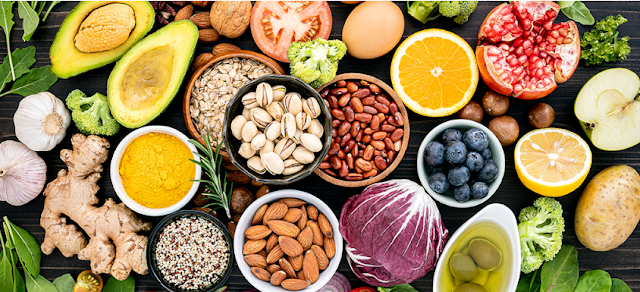
The best food for boosting metabolism:

Protein-Rich Foods: Protein requires more energy to digest compared to carbohydrates or fats, resulting in a higher thermic effect. Include lean sources of protein such as chicken breast, turkey, fish, eggs, tofu, and legumes in your meals.

Whole Grains: Whole grains like oats, brown rice, quinoa, and whole wheat bread are rich in fiber and complex carbohydrates. They provide sustained energy and require more effort to digest, thereby increasing your metabolic rate.

Spicy Foods: Spices like chili peppers, cayenne pepper, and ginger contain capsaicin, which can temporarily boost your metabolism and increase calorie burning. Add a dash of spice to your meals to give your metabolism a slight kick.

Green Tea: Green tea is known for its metabolism-boosting properties due to the presence of catechins and caffeine. It can increase fat oxidation and enhance overall energy expenditure.

Coffee: The caffeine in coffee can temporarily elevate your metabolic rate and increase fat oxidation. However, moderation is key, as excessive caffeine consumption can lead to negative effects.

Water: Staying hydrated is crucial for maintaining a healthy metabolism. Drinking enough water helps your body function optimally and supports various metabolic processes.

Leafy Green Vegetables: Vegetables like spinach, kale, broccoli, and Swiss chard are low in calories and high in nutrients. They provide essential vitamins, minerals, and antioxidants that support overall health and metabolism.

Citrus Fruits: Citrus fruits like oranges, grapefruits, lemons, and limes are rich in vitamin C and fiber. They can aid digestion, promote hydration, and support metabolic processes.

Lean Meats: Lean meats like chicken, turkey, and lean cuts of beef are excellent sources of protein. They require more energy to digest and can support muscle growth, which helps increase metabolism.

Nuts and Seeds: Almonds, walnuts, flaxseeds, chia seeds, and other nuts and seeds are packed with healthy fats, fiber, and protein. They can help keep you satiated and boost your metabolic rate.

In conclusion, metabolism is a fascinating and intricate process that impacts our health in profound ways. By understanding the connection between metabolism and our overall well-being, we can make informed choices to support a healthy lifestyle. Regular physical activity, a balanced diet, adequate hydration, quality sleep, stress management, and other lifestyle factors all contribute to optimizing our metabolism. Embracing these habits can lead to weight management, improved energy levels, and reduced risk of metabolic disorders. Remember, a healthy metabolism is a key component of a vibrant and balanced life.

#MetabolismBoost,#HealthyLiving,#OptimalHealth,#NutritionTips,#FitnessJourney,#WellnessWisdom,#HealthAndWellbeing,#WeightManagement,#LifestyleChoices,#MindBodyConnection,#HealthyHabits,#EatingForEnergy,#FoodAsFuel,#WellnessEducation,#SelfCareMatters

Wednesday, June 21, 2023

How to Start a Successful Weight Loss Journey

WeightLossJourney, HealthyLifestyle, FitnessGoals, WeightLossTips, NutritionAdvice, MindfulEating, ExerciseRoutine, HealthyHabits, SupportSystem, PatienceAndPersistence


Starting a successful weight loss journey requires a combination of commitment, planning, and healthy lifestyle changes. Here are some steps you can take to begin your journey towards achieving your weight loss goals:


The article provides a comprehensive guide on how to start a successful weight loss journey. It outlines practical steps such as setting realistic goals, consulting with healthcare professionals, creating a calorie deficit, adopting a balanced diet, practicing portion control and mindful eating, engaging in regular physical activity, staying hydrated, tracking progress, seeking support, and maintaining patience and persistence. This informative piece offers valuable insights and tips to help individuals kickstart their weight loss efforts in a safe and healthy manner.


Set realistic and specific goals: Before embarking on your weight loss journey, take the time to set clear and realistic goals. Think about what you want to achieve, whether it's a certain amount of weight loss, improved fitness, or better overall health. Make sure your goals are specific, measurable, attainable, relevant, and time-bound (SMART goals).


Consult with a healthcare professional: It's always a good idea to consult with a healthcare professional or a registered dietitian before starting any weight loss program. They can assess your current health status, identify any underlying conditions, and provide personalized recommendations based on your specific needs and goals. They can also help you understand any dietary restrictions or modifications that may be necessary.


Create a calorie deficit: Weight loss ultimately comes down to creating a calorie deficit, which means burning more calories than you consume. To do this, you need to determine your daily caloric needs based on factors like age, gender, height, weight, and activity level. From there, aim to create a moderate calorie deficit by reducing your caloric intake and increasing your physical activity. A safe and effective calorie deficit is typically around 500-1000 calories per day.


Adopt a balanced and nutritious diet: One of the key factors in successful weight loss is adopting a healthy eating plan. Focus on consuming a balanced diet that includes a variety of nutrient-dense foods. Incorporate plenty of fruits, vegetables, whole grains, lean proteins, and healthy fats into your meals. These foods provide essential nutrients while being lower in calories. Limit your intake of processed foods, sugary snacks, and beverages high in added sugars.


Portion control and mindful eating: Paying attention to portion sizes and practicing mindful eating can be helpful in managing your weight. Use smaller plates and bowls to control portion sizes and avoid eating mindlessly in front of screens or while distracted. Chew your food slowly, savor the flavors, and listen to your body's hunger and fullness cues. This can help you develop a healthier relationship with food, prevent overeating, and improve digestion.


Regular physical activity: Incorporating regular physical activity into your routine is essential for weight loss and overall well-being. Engage in a combination of cardiovascular exercises (such as walking, jogging, cycling, or swimming) and strength training exercises (using weights or bodyweight exercises). Aim for at least 150 minutes of moderate-intensity aerobic activity or 75 minutes of vigorous-intensity activity each week, along with two or more days of strength training.


Stay hydrated: Drinking an adequate amount of water is important for weight loss. Water helps keep you hydrated, supports digestion, and can help reduce feelings of hunger. Make sure to drink plenty of water throughout the day and replace sugary drinks and sodas with water as much as possible. The exact amount of water needed varies depending on factors like body size, activity level, and climate, but a general guideline is to aim for about 8 cups (64 ounces) per day.


Track your progress: Keeping track of your food intake, exercise routine, and progress can be a valuable tool in your weight loss journey. It helps you stay accountable and provides insights into your habits and patterns. Consider using a journal, a mobile app, or other tracking tools to record your daily activities, food choices, and any relevant measurements or milestones. Regularly reviewing your progress can help you identify areas for improvement and make necessary adjustments.


Seek support: Having a support system can greatly enhance your weight loss journey. Share your goals and aspirations with friends, family, or join a weight loss support group or community. Surrounding yourself with individuals who share similar goals can provide motivation, encouragement, and a sense of accountability. You can exchange tips, share experiences, and learn from one another.


Be patient and persistent: It's important to approach your weight loss journey with patience and persistence. Weight loss takes time, and there will be ups and downs along the way. Don't get discouraged by minor setbacks or temporary plateaus. Stay consistent with your healthy habits, celebrate small victories, and make adjustments as needed. Focus on the progress you're making and remember that sustainable weight loss is a gradual process that requires long-term commitment.


Remember, everyone's weight loss journey is unique, and what works for one person may not work for another. It's essential to listen to your body, be kind to yourself, and seek guidance from professionals when needed. The most important aspect of a successful weight loss journey is developing sustainable, healthy habits that you can maintain in the long run.


#WeightLossJourney #HealthyLifestyle #FitnessGoals #WeightLossTips #NutritionAdvice #MindfulEating #ExerciseRoutine #HealthyHabits #SupportSystem #PatienceAndPersistence

Tuesday, June 13, 2023

The Nutritional Powerhouse: Exploring the Health Benefits of Chia Seeds

#chiaseeds #healthbenefits #superfood #nutrition #digestivehealth #weightmanagement #hearthealth #bloodsugarregulation #bonehealth #antioxidants #exercisep erformance #healthydiet #nutritiontips #healthyrecipes #wellness


Introduction:

In recent years, chia seeds have gained popularity as a superfood due to their exceptional nutritional profile and numerous health benefits. These tiny black or white seeds are packed with essential nutrients, making them a valuable addition to a balanced diet. In this article, we will delve into the unique properties of chia seeds and uncover their potential impact on overall health and well-being.

Nutritional Composition:

Chia seeds, derived from the Salvia hispanica plant, are a rich source of various essential nutrients. These tiny powerhouses contain high amounts of fiber, protein, omega-3 fatty acids, antioxidants, vitamins, and minerals. Just one ounce (28 grams) of chia seeds provides approximately 11 grams of fiber, 4 grams of protein, and 5 grams of omega-3 fatty acids, along with significant amounts of calcium, magnesium, and phosphorus.

Promoting Digestive Health:

One of the key benefits of chia seeds lies in their ability to support digestive health. The high fiber content in chia seeds promotes regular bowel movements, prevents constipation, and supports the growth of beneficial gut bacteria. When consumed, chia seeds absorb liquid and form a gel-like substance in the stomach, which can help regulate digestion and promote satiety.

Weight Management:

Incorporating chia seeds into a weight management plan can be beneficial. The high fiber and protein content of chia seeds help promote feelings of fullness, reducing the tendency to overeat. Additionally, the gel-like consistency of chia seeds can slow down the digestion process, leading to a gradual release of energy and preventing spikes in blood sugar levels.

Heart Health:

Chia seeds are rich in omega-3 fatty acids, particularly alpha-linolenic acid (ALA). These essential fatty acids have been linked to various cardiovascular benefits, including reducing inflammation, improving lipid profiles, and lowering blood pressure. Consuming chia seeds as part of a heart-healthy diet may help lower the risk of heart disease and stroke.

Blood Sugar Regulation:

The combination of fiber, protein, and healthy fats in chia seeds contributes to stabilizing blood sugar levels. The gel-like substance formed when chia seeds are exposed to liquid helps slow down the conversion of carbohydrates into sugar, preventing sudden spikes in blood glucose levels. This can be particularly beneficial for individuals with diabetes or those at risk of developing the condition.

Bone Health:

Chia seeds are an excellent source of essential minerals such as calcium, magnesium, and phosphorus, which are crucial for maintaining strong and healthy bones. Adequate intake of these minerals is essential in preventing conditions like osteoporosis and promoting overall bone density.

Antioxidant Properties:

Antioxidants play a crucial role in protecting the body against oxidative stress, which can lead to chronic diseases and premature aging. Chia seeds contain various antioxidants, including flavonoids and phenolic compounds, which help neutralize harmful free radicals and reduce inflammation within the body.

Improved Exercise Performance:

Due to their high nutritional value and ability to absorb liquid, chia seeds can be an excellent addition to an athlete's diet. The combination of carbohydrates, protein, and healthy fats in chia seeds provides sustained energy and supports muscle recovery and repair. Soaking chia seeds in water or a sports drink before exercise can create a natural and hydrating energy gel.

Incorporating Chia Seeds Into Your Diet:

Adding chia seeds to your daily diet is simple and versatile. They can be sprinkled over salads, mixed into smoothies, used as an egg substitute in baking, or even incorporated into homemade energy bars. Remember to start with small quantities and gradually increase your intake, as chia seeds can absorb liquid and expand in the stomach.

Conclusion:

Chia seeds offer a wide array of health benefits, ranging from improved digestive health and weight management to heart health and blood sugar regulation. Their remarkable nutritional profile, packed with essential nutrients, makes them an excellent choice for individuals looking to enhance their overall well-being. By incorporating these tiny seeds into your diet, you can harness their potential and take a step towards a healthier lifestyle.

#chiaseeds #healthbenefits #superfood #nutrition #digestivehealth #weightmanagement #hearthealth #bloodsugarregulation #bonehealth #antioxidants #exercisep erformance #healthydiet #nutritiontips #healthyrecipes #wellness

Latest

Nourishing Your Body and Wallet: Healthy Eating on a Budget

In a world where convenience often trumps health, eating nutritious meals on a tight budget may seem like an insurmountable challenge....